
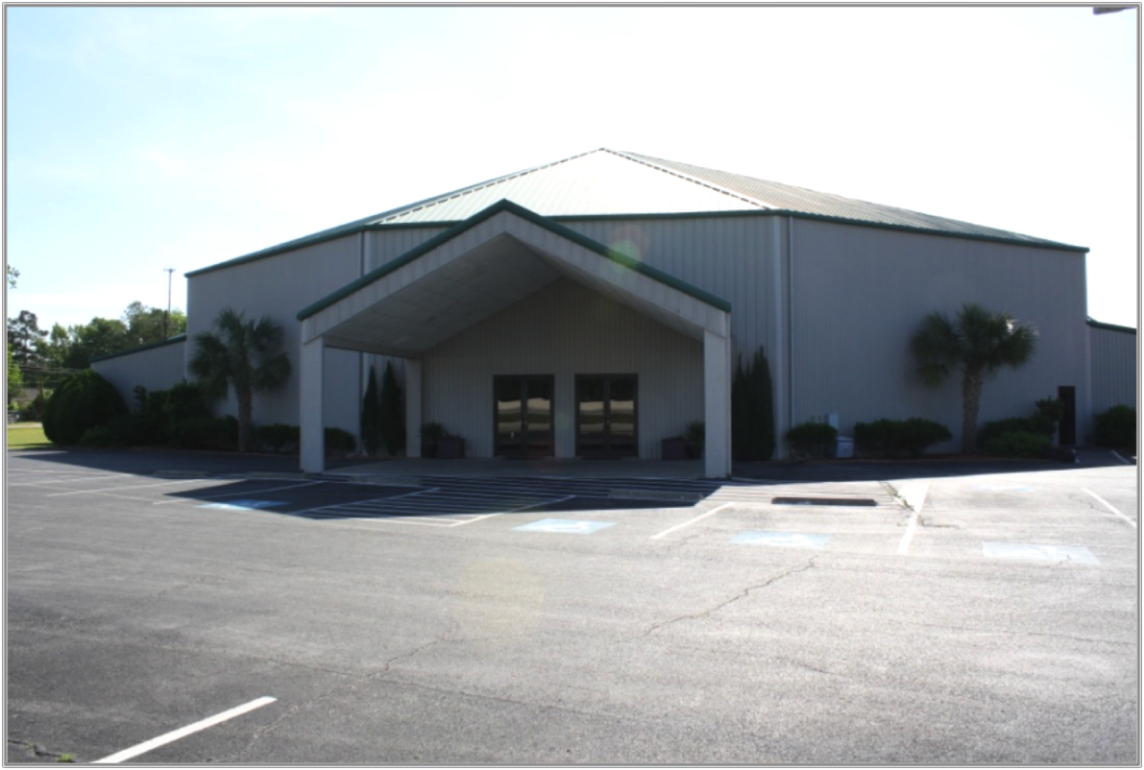
Church and Religious Building Roofing starts with finding the roof condition that is driving the call. We separate the active risk from the capital decision so the building can stay protected while ownership chooses the right repair, restoration, recover, or replacement path.
Packer Avenue Marine Terminal and the Delaware River industrial corridor bring wind exposure, freight schedules, and wide low-slope roof areas into the same scope conversation. We use that kind of local constraint to plan staging, material movement, tie-ins, safety lines, and daily closeout.
Old City, Northern Liberties, and Fishtown include older masonry, converted warehouses, restaurants, and rooftop patios that make flashing details more sensitive. For Church and Religious Building Roofing, that means the first inspection has to pay attention to seams, flashings, curbs, drains, edge metal, wet insulation risk, and rooftop equipment traffic.
We do not turn the first visit into a sales script. The scope notes call out what needs immediate leak control, what should be watched, what can be restored, and what is probably better handled as replacement.
NWS Philadelphia/Mount Holly storm watches are a practical trigger for documenting wind, hail, heavy rain, and freeze-thaw roof conditions before permanent repairs hide evidence. When the roof is occupied, dense, or hard to access, we build the schedule around freight paths, tenant hours, weather windows, debris handling, and interior protection.
Closeout matters because the next decision depends on it. We document completed work, remaining conditions, drain or metal changes, temporary tie-ins, and owner decisions so the roof history is not lost after the invoice.
Questions We Answer Before Work Starts
What should happen first?
We document the roof condition, access path, leak history, drain behavior, and owner priority before pricing the final path.
Can work happen while the building stays open?
Most projects can be staged around occupancy when odor, noise, loading, safety lines, and daily dry-in are planned before mobilization.