
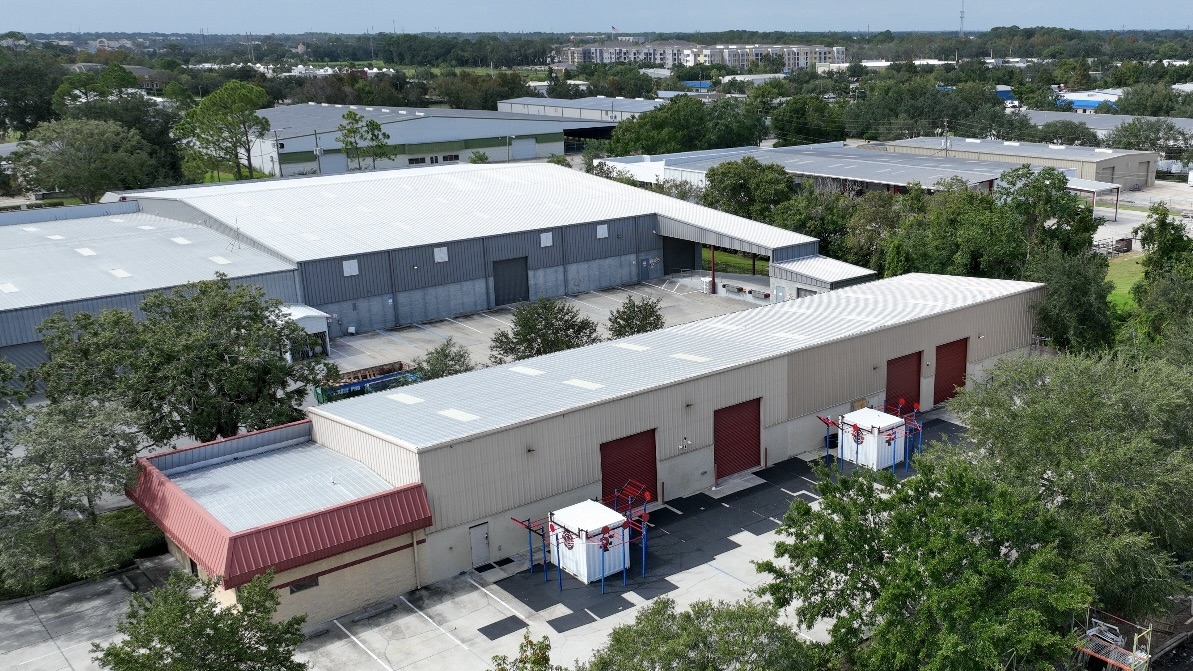
Ask anyone who signs off on a building budget which line item behaves the worst, and the roof is usually the answer. Repairs show up unannounced and unpriced, an emergency call in February costs triple what the same fix would have cost in October, and replacement eventually lands as a capital shock nobody scheduled. A roof service agreement exists to make the roof behave like every other predictable expense: one flat annual figure, set in advance, covering the work that keeps the surprises from happening.
The number buys a defined program. Two scheduled rooftop service visits a year cover the full inspection cycle, with seams and flashings checked, sealants renewed, debris removed, and minor repairs completed during the visit at no additional charge. On top of those, a pre-snow visit runs before winter sets in: every drain and scupper cleared so meltwater can leave the roof, membrane and flashing details verified before snow load and freeze-thaw start testing them. In this climate, that December-through-March stretch is where unmanaged roofs generate their most expensive phone calls.
The budgeting value compounds over time. Every visit produces a photo-documented condition report, and a few cycles of those reports add up to a defensible read on remaining service life. That changes the biggest decision on the roof from a guess into a forecast: replacement gets scheduled two or three fiscal years out, bid competitively in season, and funded deliberately, instead of being priced under an active leak. Owners and property managers reviewing next year's numbers can carry one known figure for roof service and a realistic date for the capital event.
Philadelphia's commercial stock makes standing coverage earn its keep. Center City towers carry mechanically dense roofs where small failures hide between units, older masonry buildings across the city drain through aging internal systems, and the big single-story roofs out by the airport and along the I-95 corridor take nor'easter wind across acres of membrane. Different failure modes, same fix: someone on the roof on a schedule, with a record of what they found.
Getting started costs nothing but a roof walk. We inspect the roof once, note its condition and access, and return a flat annual quote with the visit schedule attached. Most Philadelphia buildings can have their first scheduled visit on the calendar within the month, and the first report in hand shortly after, which means the next budget cycle already has a real number to work with.
Two side benefits round out the case. The visit documentation satisfies what manufacturer warranties expect, protecting a warranty position most owners do not realize is conditional. And agreement holders get priority dispatch when something urgent happens, which shortens the gap between a leak starting and a crew standing over it.
Budget Questions Owners Ask
Does the agreement price move year to year?
The price is set for the agreement term after an initial roof walk, based on roof area, detail count, and access. Renewals are adjusted only if the roof itself changes, so the figure you plan around holds.
How does this feed capital planning?
The condition reports track the same details visit after visit, which gives you a documented trend line on membrane, flashings, and drainage. When replacement starts approaching, you see it coming years out and can budget and bid it on your schedule.
What happens before the first snow?
A dedicated pre-snow visit clears every drain, scupper, and gutter, checks the membrane and flashings ahead of freeze-thaw, and confirms the roof is ready to carry snow load, so mid-winter melt has somewhere to go besides the ceiling.
Is emergency work billed separately?
Minor repairs found during scheduled visits are included. True emergencies are quoted, but agreement holders jump the dispatch queue, and a crew that already knows the roof diagnoses faster, which keeps those invoices smaller than a cold call ever is.