
Locations

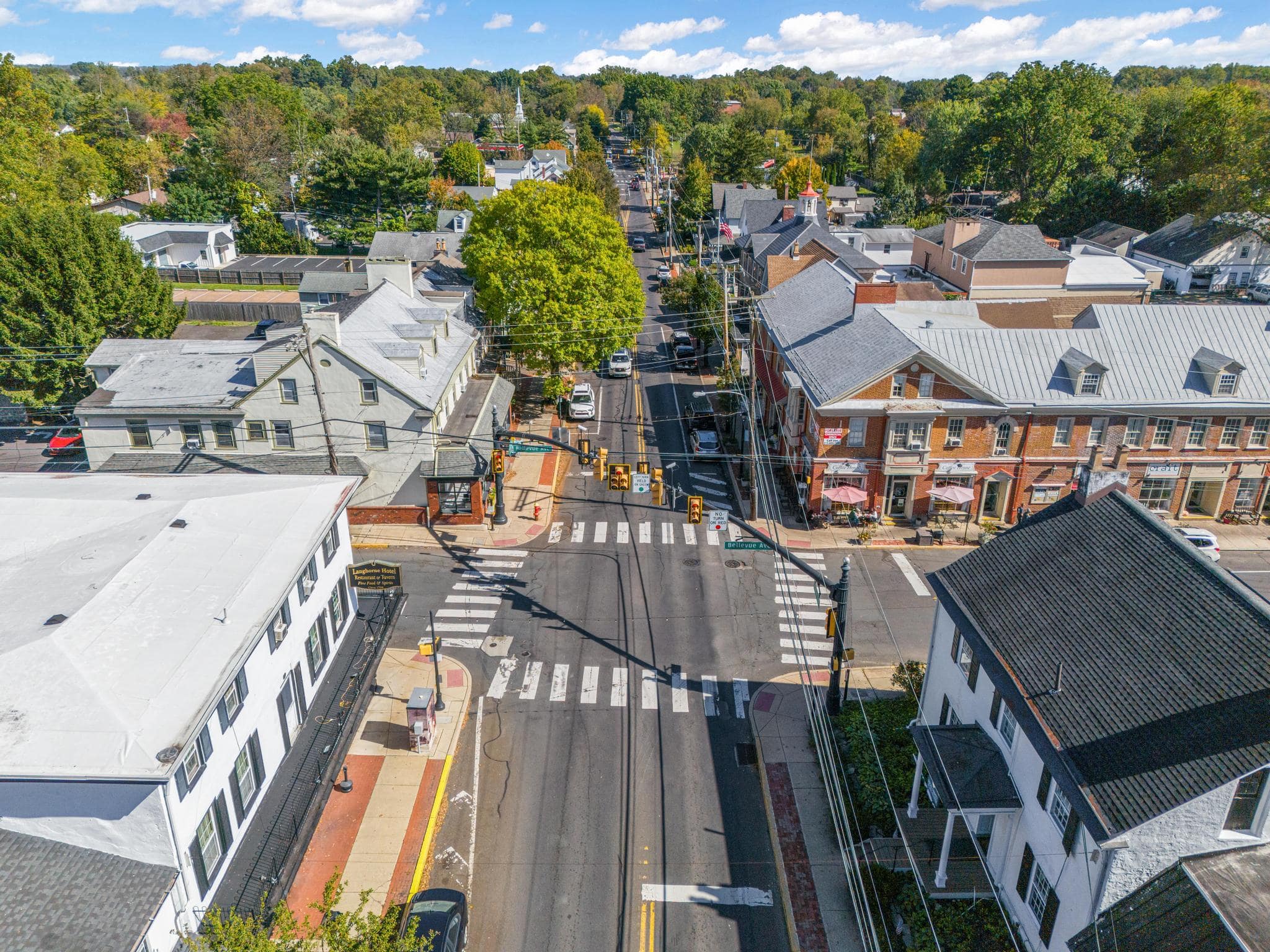
Langhorne, PA Commercial Roofing

Commercial roof repair, replacement, inspection, and maintenance planning for properties around Langhorne, PA.

Start a Roof Scope

A suburb roof in Langhorne is not just a pin on a map for us. We plan langhorne work around the Philadelphia Water Department stormwater manual includes specific green-roof design guidance, the closest truck route, the roof access point, and the tenant or production schedule inside the building.

We write our first notes for the person who has to make the decision, not for a brochure. That means photos, roof areas, drain counts, parapet conditions, wet-insulation concerns, and access limits are organized into a usable scope. When PWD stormwater review can affect projects that disturb more than 5,000 square feet is part of the operating environment, we also account for security desks, freight elevators, loading docks, and tenant hours before labor is scheduled.

Philadelphia roofs punish assumptions. PHL climate data lists about 41.3 inches of annual precipitation and 21.7 inches of annual snowfall changes how we think about tie-ins, temporary dry-in, staging, and material storage. A small leak at a pipe boot above an office suite gets a different response than a saturated section over a cold-storage room or a lab with strict humidity control.

For building owners and managers in this part of the metro, the practical question is usually whether to repair, restore, recover, or replace. We do not force that answer before the roof is opened up enough to prove it. On langhorne work, we compare seam condition, flashings, roof-edge movement, fastener patterns, coating adhesion, insulation value, and roof-drain performance before the cost discussion gets serious.

Access planning is a large part of the job. NWS Philadelphia/Mount Holly covers nor'easters, severe thunderstorms, coastal flooding, and winter weather can mean tight streets, rail-adjacent loading, airport-area security, riverfront wind, or a roof deck filled with equipment. We map crane or lift needs early, identify where debris can leave the building, and set daily closeout points so sudden rain does not turn a planned project into an interior cleanup.

Drainage gets more attention in Philadelphia than many owners expect. the I-95, I-76, Roosevelt Boulevard, and Pennsylvania Turnpike corridors drive rooftop access planning is one reason we look closely at primary drains, overflow scuppers, strainers, conductor heads, and ponding marks. A good membrane cannot compensate for a roof that holds water at the wrong side of a curb or against a buried flashing.

Older masonry and mixed-era buildings need slower investigation. Around University City concentrates CHOP, Penn Medicine, Drexel, labs, and medical office buildings near 34th Street, roof decks may include steel, gypsum, lightweight concrete, plank, or prior recover layers. We look for trapped moisture, abandoned penetrations, pitch pockets, capped curbs, and perimeter details that have been modified more than once.

Storm response is handled differently from planned capital work. When NWS Philadelphia/Mount Holly is tracking heavy rain, hail, or wind, we document the condition before permanent repairs hide evidence. For langhorne, that record can include membrane bruising, displaced edge metal, clogged drains, uplifted flashings, and wet insulation boundaries.

Occupied buildings shape our sequencing. We coordinate odor, noise, safety lines, roof access, and interior protection before production starts. If the work is near the Sports Complex puts Citizens Bank Park, Lincoln Financial Field, and Wells Fargo Center in one roof-heavy district, we expect more coordination with mechanical service contractors, security, freight paths, or tenants that cannot tolerate loose staging or surprise shutdowns.

Energy and code considerations are part of the roof conversation, but they have to be grounded in the actual building. Cool membranes, cover boards, tapered insulation, vapor considerations, and green-roof waterproofing can help when they fit the deck and drainage. They can create problems when they are selected only because a product sheet sounds attractive.

We also separate contractor-side insurance documentation from public-adjusting work. If storm damage is involved, we can photograph conditions, write repair and replacement scope, protect the building, and answer technical questions about roof construction. We do not promise claim outcomes or settlement values.

For procurement teams, our scope format is meant to be comparable. We define tear-off areas, recover areas, wet insulation allowances, sheet-metal profiles, drain work, warranty assumptions, working hours, temporary protection, and exclusions. That makes langhorne easier to bid, approve, and track without burying the owner in vague line items.

Maintenance is where many Philadelphia roofs either earn more service life or lose it early. We pay attention to debris at drains, sealant splits at terminations, walkway damage around units, skylight curbs, HVAC service traffic, and coping joints. On the right roof, a disciplined repair and inspection schedule can delay replacement without pretending the roof is newer than it is.

Philadelphia scheduling also has to respect street closures, delivery windows, school calendars, event traffic, and elevator availability. A roof that looks straightforward from satellite view can become complicated when material has to move through a service alley, a freight dock, or a short-term sidewalk permit. We identify those constraints before pricing langhorne, because access surprises are one of the fastest ways for a commercial roofing project to lose time.

Closeout is part of the work, not a courtesy after the invoice. We document completed repairs, new sheet-metal details, drain work, wet-insulation removals, temporary tie-ins, and remaining owner decisions. On langhorne projects, that closeout record helps the next maintenance visit start from known conditions instead of forcing everyone to rediscover the same roof history.

Budget planning is direct. If langhorne is a repair candidate, we say what should be repaired now and what can wait. If restoration or recover is possible, we explain the tests needed before committing. If replacement is cleaner, we show the owner why continued patching is likely to cost more while still leaving the building exposed.

Safety planning is written into the work instead of discussed after mobilization. We consider fall protection, roof hatches, ladders, sidewalk exposure, debris paths, hot work, material storage, and weather stops. Around the Philadelphia Wholesale Produce Market near Essington Avenue supports refrigerated and food-distribution users, those details can decide whether the project is calm and predictable or disruptive from the first morning.

Call Commercial Roofing Contractors Philadelphia when langhorne needs a roof scope that can survive a meeting with ownership, tenants, facilities, and the budget holder. We will inspect the roof, identify the real risk, and lay out the repair, restoration, or replacement path without borrowing claims from another contractor or another city.

Questions We Answer Before Work Starts

What is the realistic cost difference between repair, restoration, and replacement for langhorne?

The spread depends on access, moisture, insulation, sheet metal, deck condition, and how much work must happen after hours. We start langhorne with a roof inspection and a photo-backed scope so the owner can see which areas are immediate repairs, which areas may support restoration, and which areas are better handled as replacement.

Can langhorne be done while the building stays open?

Most commercial roof work can be staged around an occupied building, but the plan has to be honest about noise, odor, loading, safety, and daily dry-in. For Philadelphia properties, we plan around freight access, tenant hours, roof equipment service, weather windows, and interior protection before production starts.

How do Philadelphia storms change a langhorne scope?

Heavy rain, wind, hail, and freeze-thaw cycles change what we inspect first. We look at coping, edge metal, seams, drains, scuppers, skylights, curbs, and puncture paths. If the condition appears storm-related, we document the roof before permanent repairs cover the evidence.

What documentation do we receive after a langhorne inspection?

We normally provide roof photos, observed deficiencies, drainage notes, moisture concerns visible from the roof surface, repair priorities, and budget direction. For larger scopes, we can separate immediate leak control from capital work so property managers, asset managers, and ownership groups can make decisions cleanly.

When is replacement better than another round of langhorne repairs?

Replacement becomes the stronger option when repairs are chasing widespread wet insulation, aged seams, failing perimeters, brittle flashings, or deck concerns. If repair is still rational, we say so. If the roof has reached the point where patching only buys short windows, we explain that in plain scope language.