
Locations
Locations
Philadelphia-area roof access, drainage, and tenant conditions.
Locations
Philadelphia-area roof access, drainage, and tenant conditions.
Ardmore
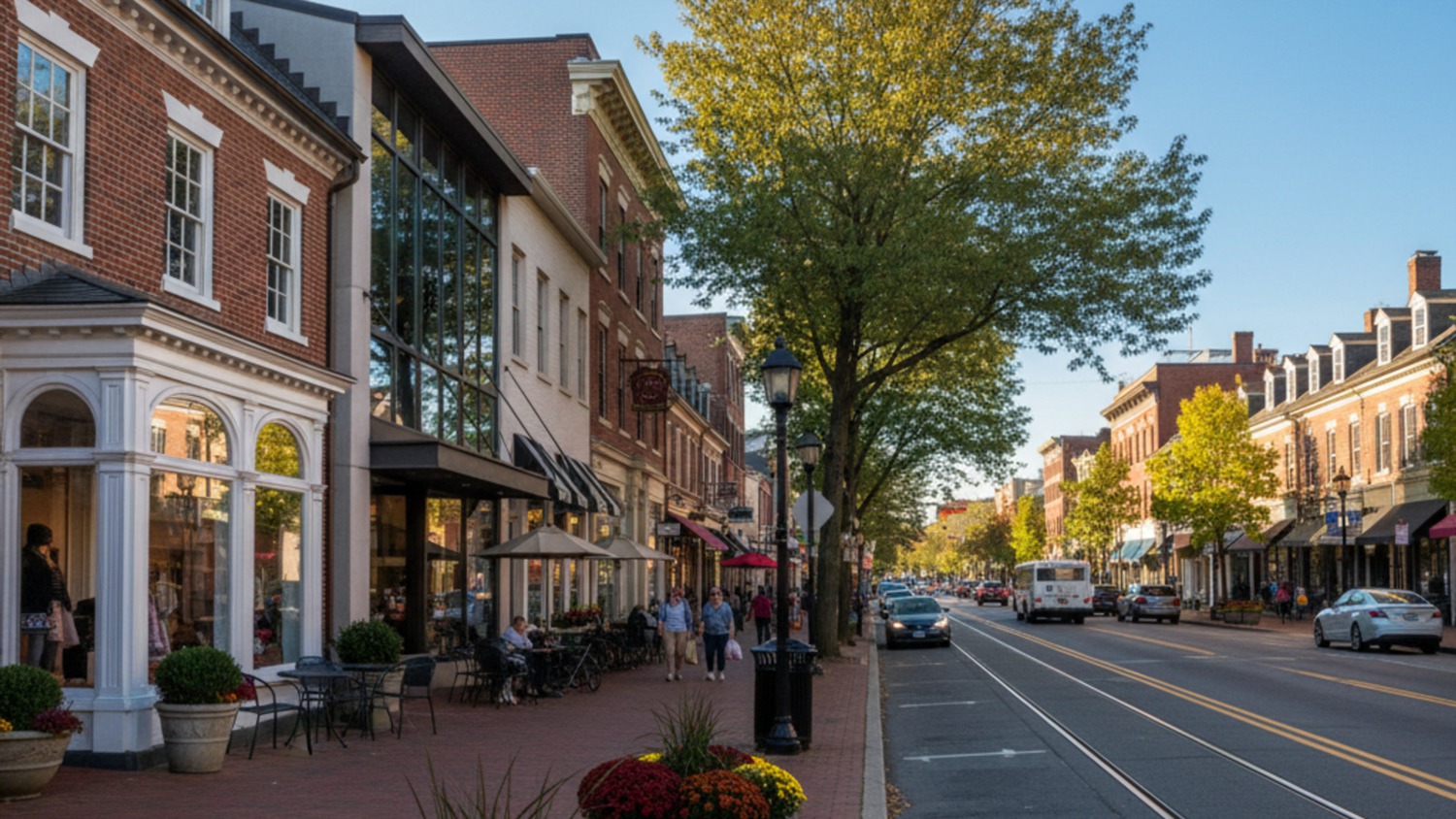
Ardmore's Main Line storefronts and offices blend older masonry with newer flat-roof additions, most of them sitting over occupied space where dry-in scheduling matters more than raw crew speed.
Bala Cynwyd
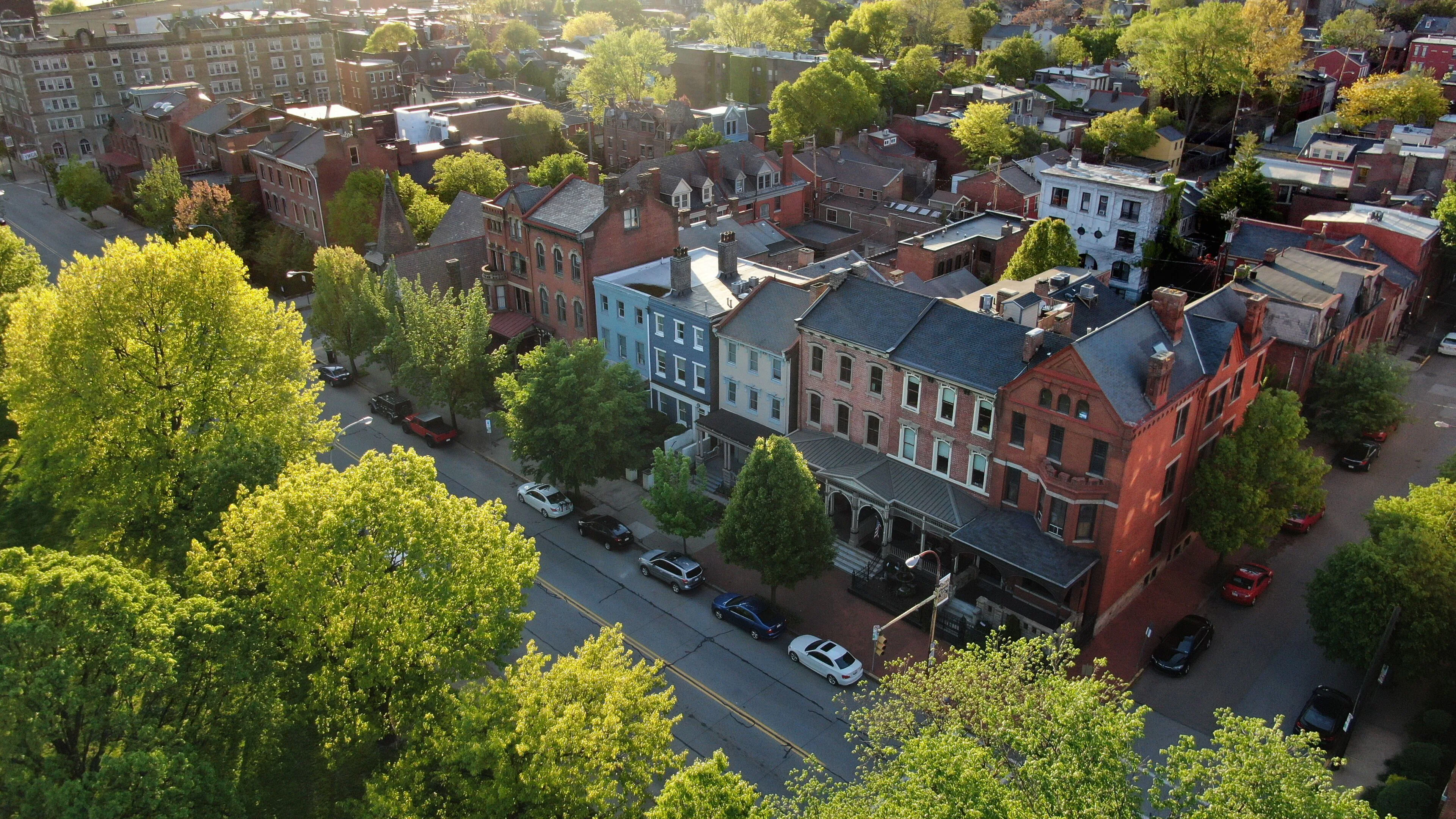
Just over City Avenue, Bala Cynwyd's office buildings and medical suites carry the dense rooftop HVAC of a busy commercial edge, which crowds the membrane field and multiplies the curb details that can leak.
Bensalem
Spread wide and low along the Route 1 and I-95 corridor, Bensalem's retail strips and warehouses present big single-ply fields where ponding and perimeter wind uplift become the controlling concerns.
Blue Bell
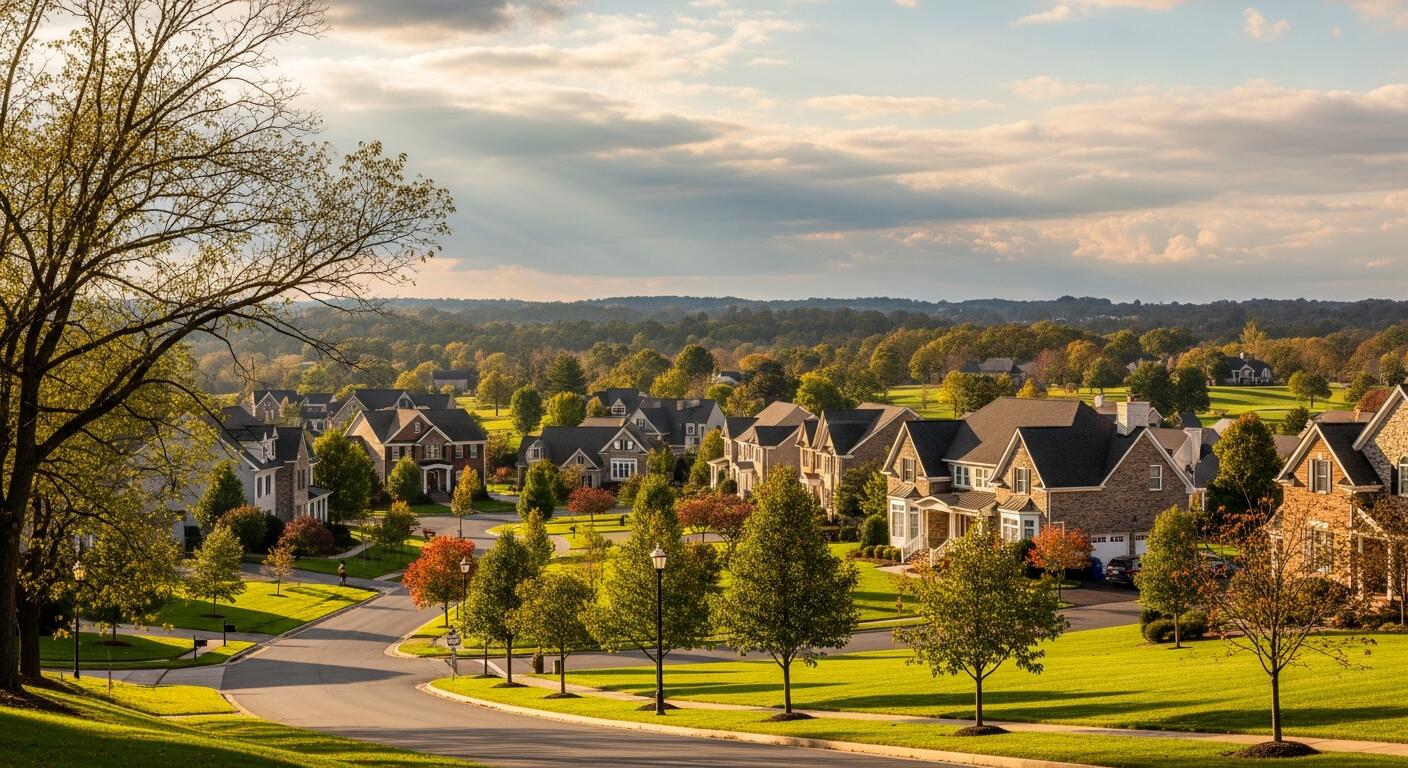
Corporate campuses and office parks define Blue Bell, and their large reflective-roof decisions ride on tenant comfort as much as cost , a balance we settle before specifying a membrane color or thickness.
Bridesburg
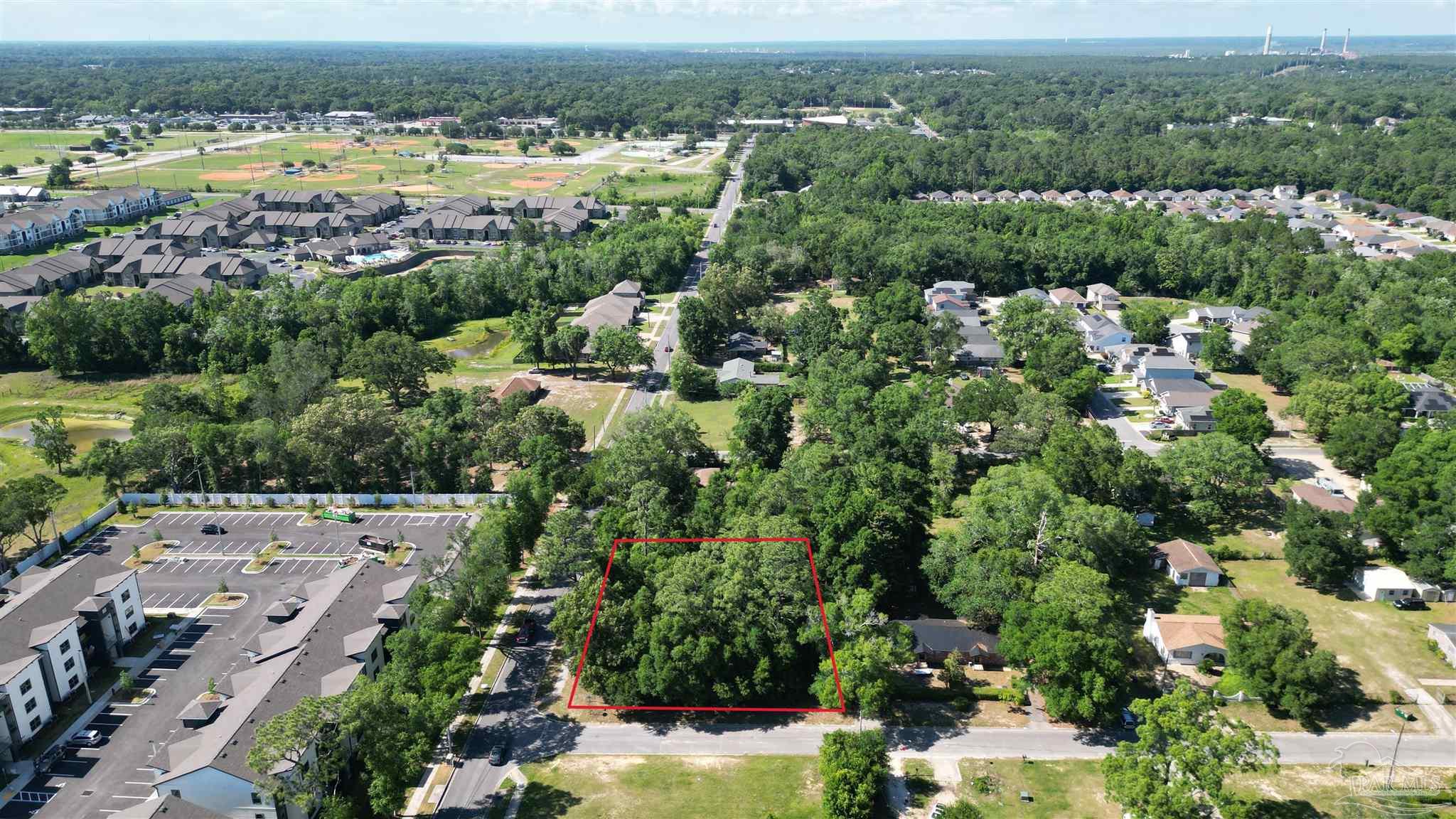
Bridesburg's riverfront industrial buildings carry decades of process exhaust over patched low-slope roofing, so we scope corroded fasteners and tired flashings against the wind coming off the lower Delaware.
Bristol
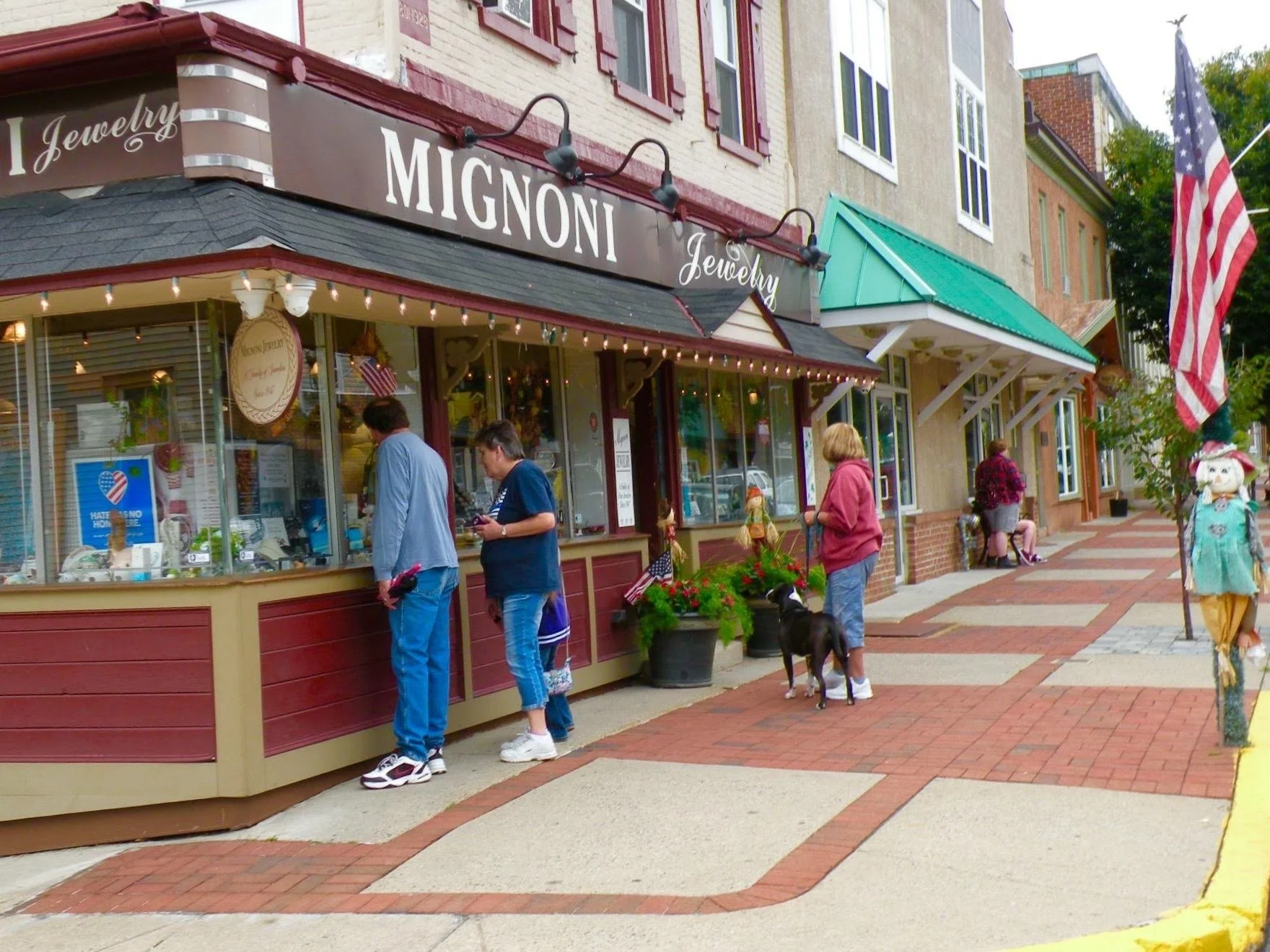
Old mill buildings and Delaware River frontage leave Bristol's commercial roofs exposed to steady wind, and the aging built-up assemblies on many of them need honest repair-versus-replace math before winter.
Camden
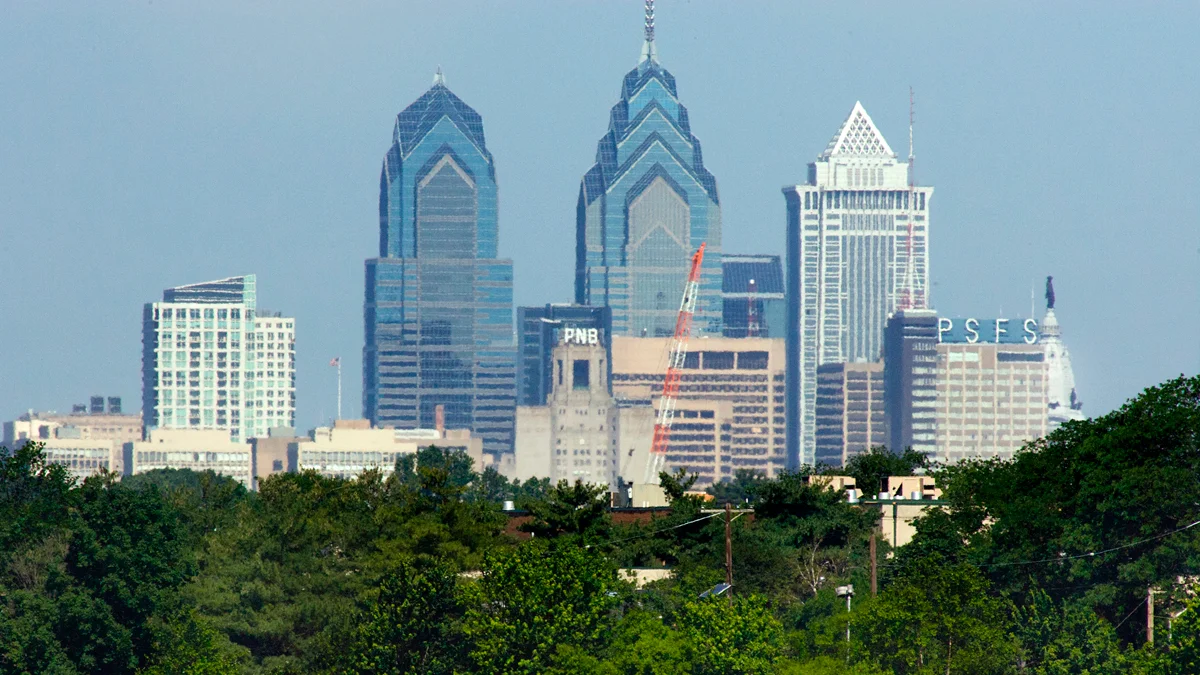
Camden's institutional, port, and office buildings sit just across the river inside the same storm window we already plan for, which lets us fold them into Philadelphia mobilizations without a separate weather call.
Center City
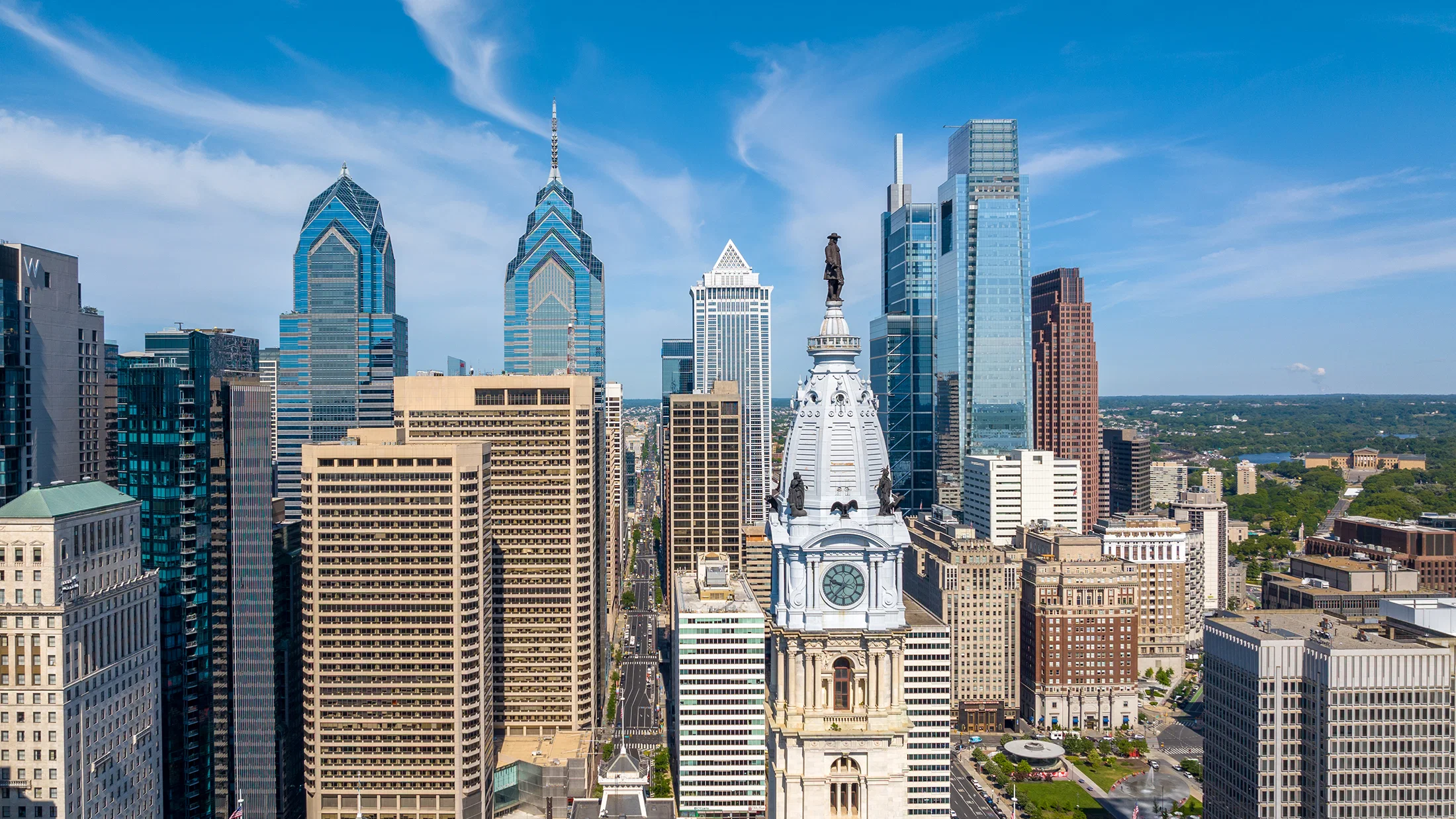
Center City roof work means high-rise access threaded through occupied floors and crane picks squeezed into tight Market Street loading windows , logistics that shape the schedule long before any membrane is opened.
Cherry Hill
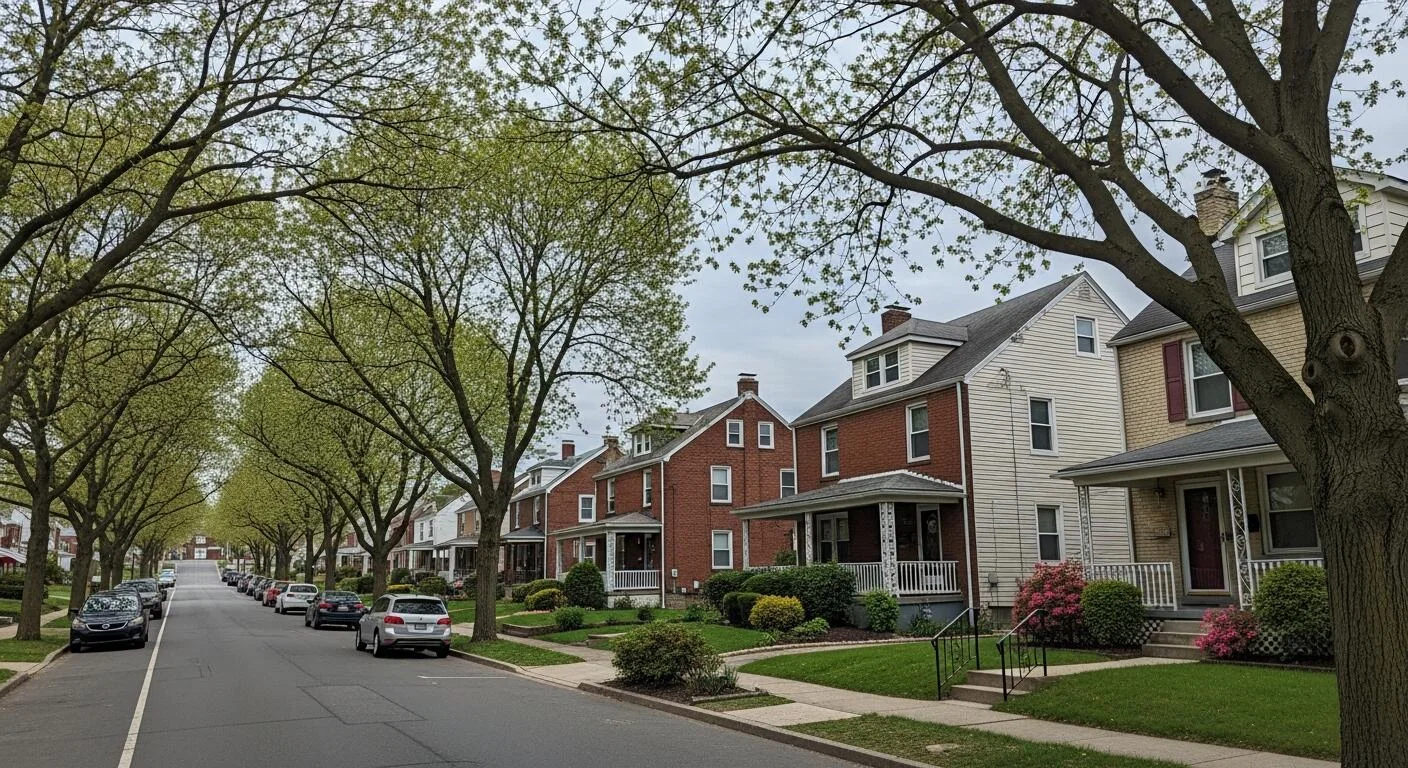
Cherry Hill's retail centers and office parks carry the wide flat-roof drainage loads typical of South Jersey, where slow-draining fields and undersized scuppers tend to be the first thing a real inspection flags.
Chester
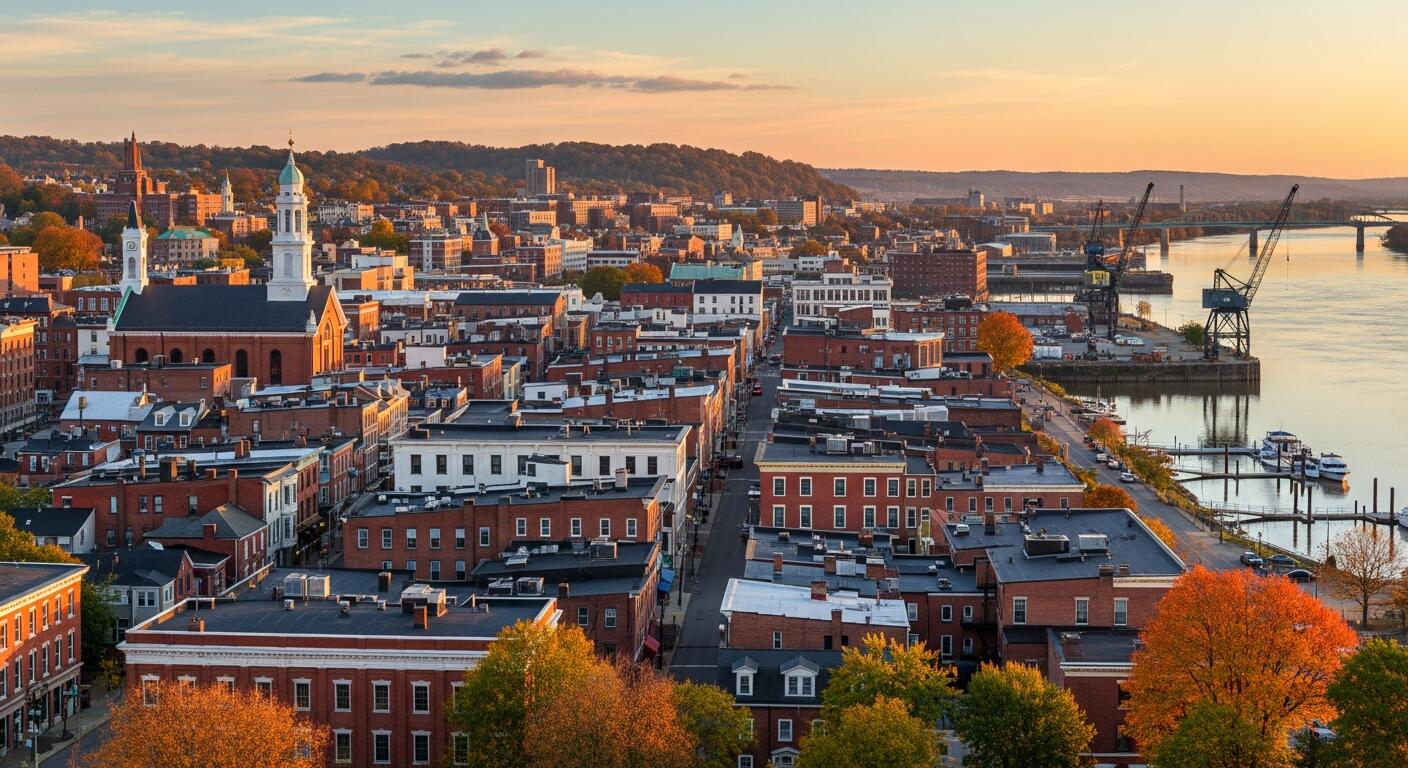
Sitting in the refining belt's salt-laden air, Chester's riverfront industrial and institutional roofs corrode at the fasteners and edge metal faster than inland buildings, so detailing the perimeter comes first.
Conshohocken
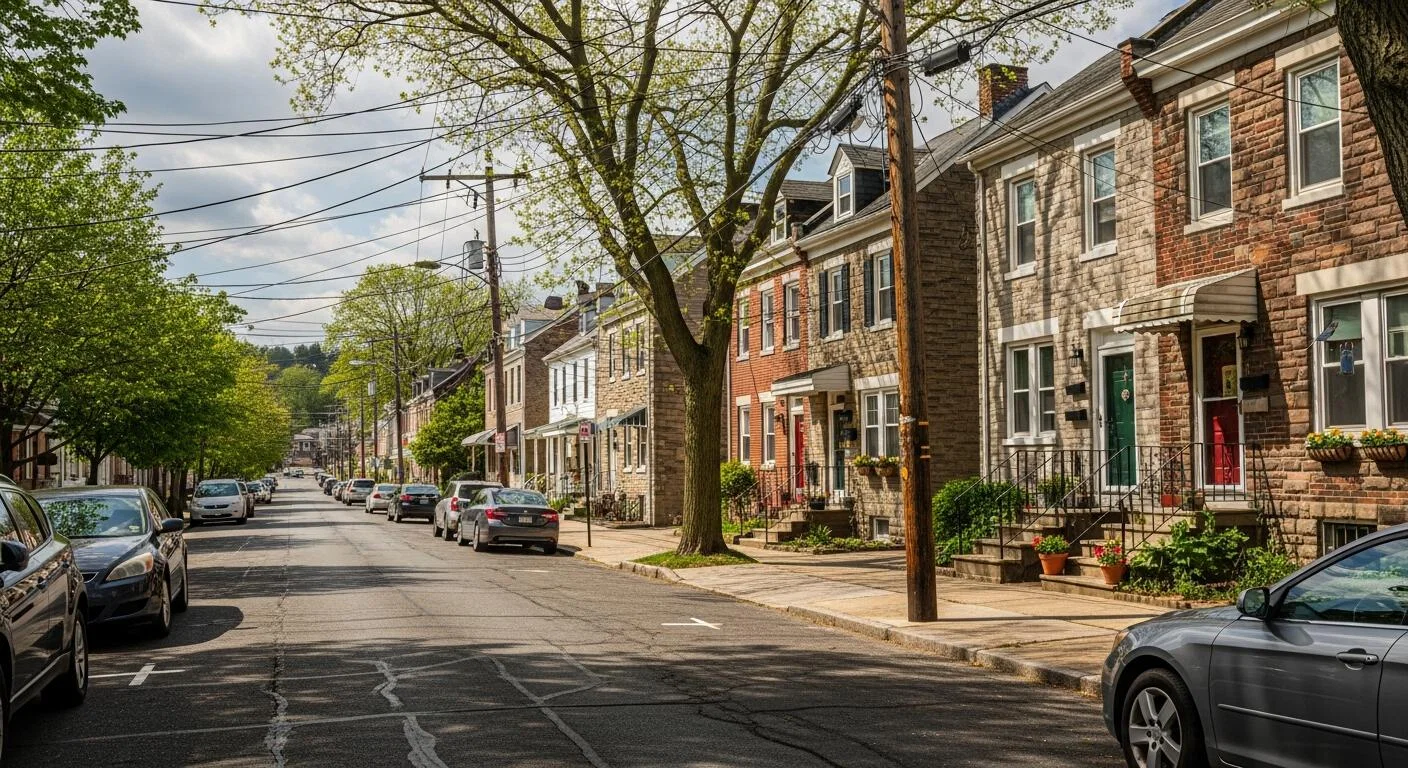
Conshohocken's riverside office towers and flex buildings sit close to the Schuylkill and its floodplain, so we treat drainage capacity and watertight edge detailing as the load-bearing parts of any scope here.
Eastwick
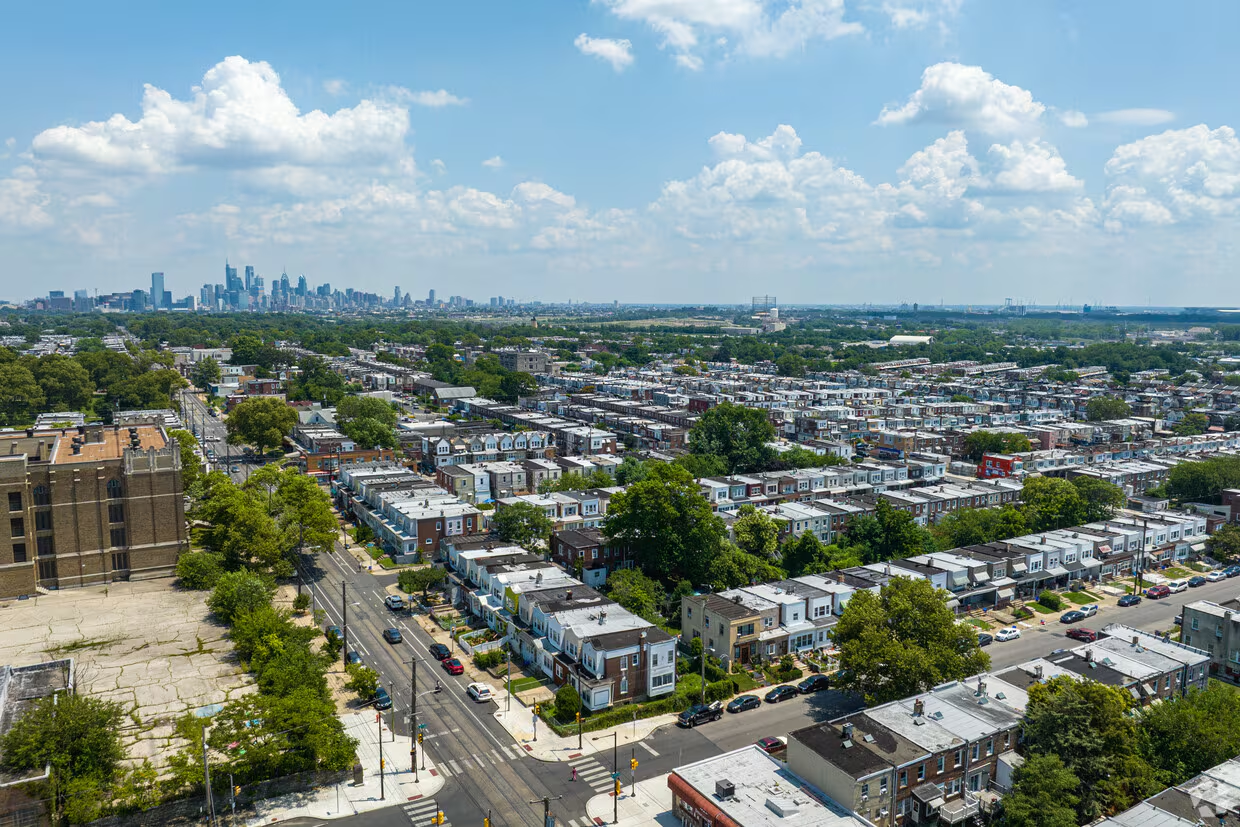
Airport-adjacent warehouses and flex space give Eastwick wide low-slope roofs under full wind exposure, where loose perimeter fastening is usually what a uplift event finds and pulls first.
Fishtown
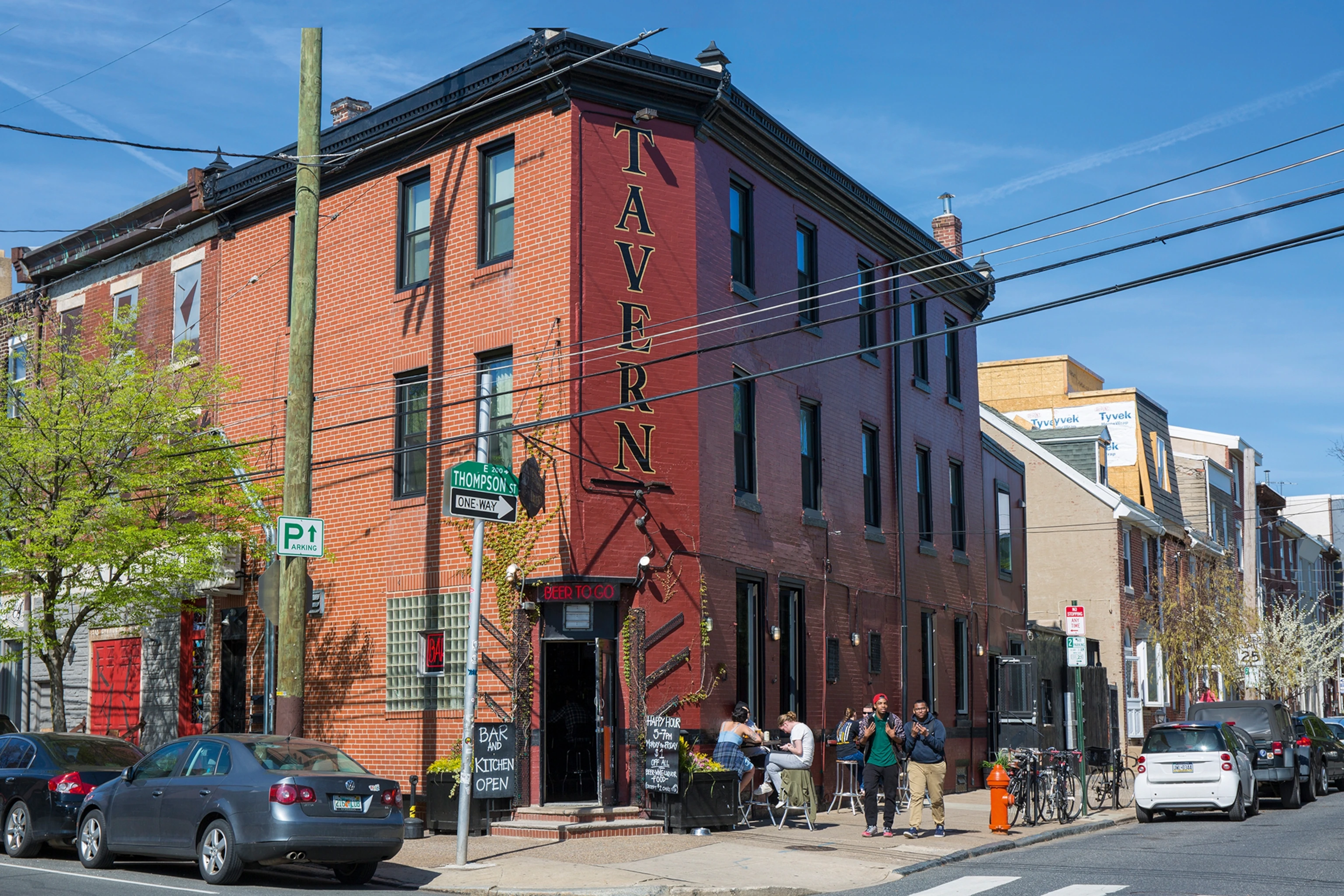
Converted mills, restaurants, and rooftop decks make Fishtown's parapet and flashing details unusually sensitive, and grease exhaust from the neighborhood's kitchens adds its own load on nearby membranes.
Fort Washington
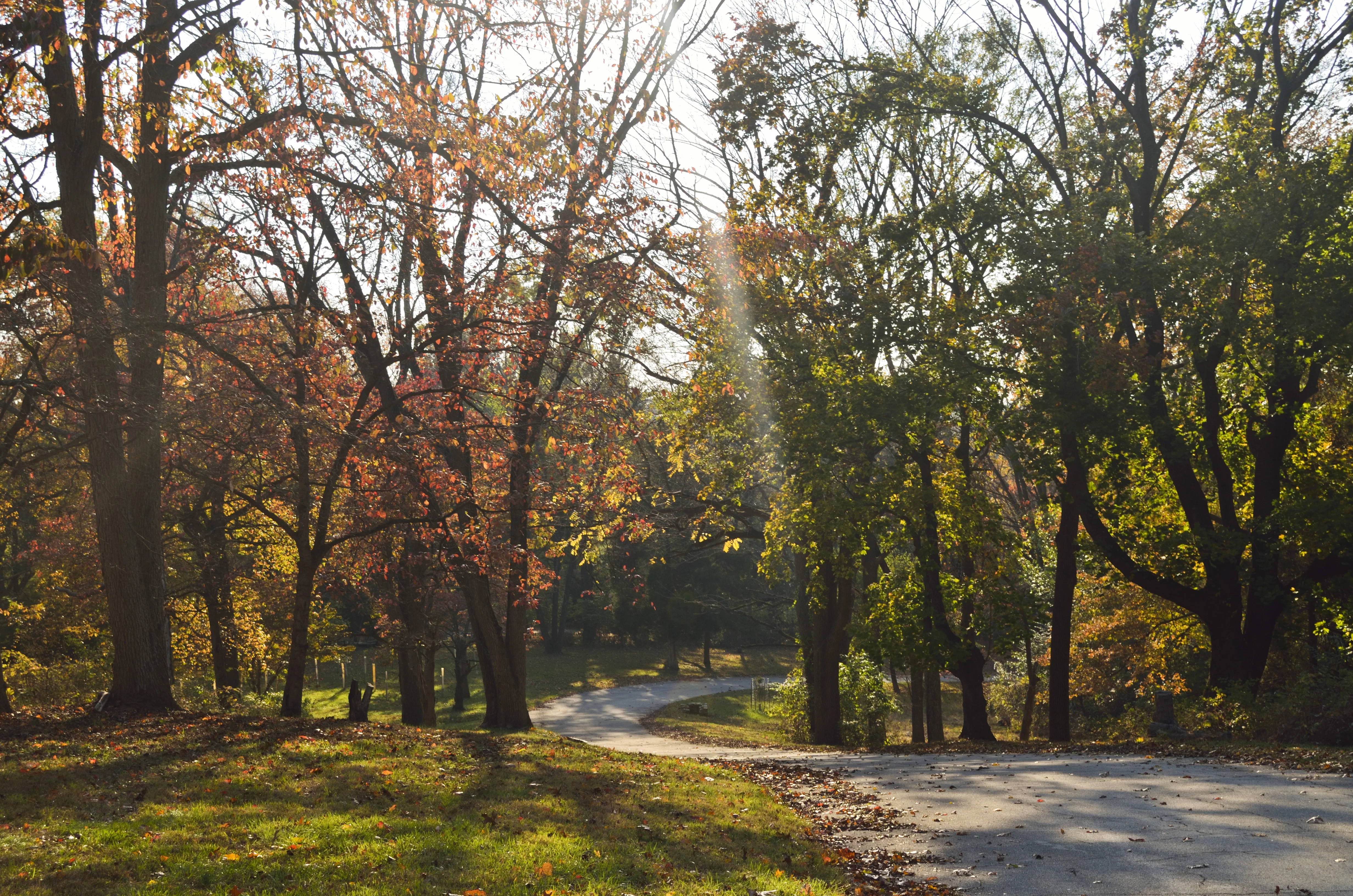
Fort Washington's office-park corridor along the turnpike runs large, mechanically dense low-slope roofs, where the sheer count of rooftop units turns every recoat or replacement into a curb-flashing exercise.
Frankford
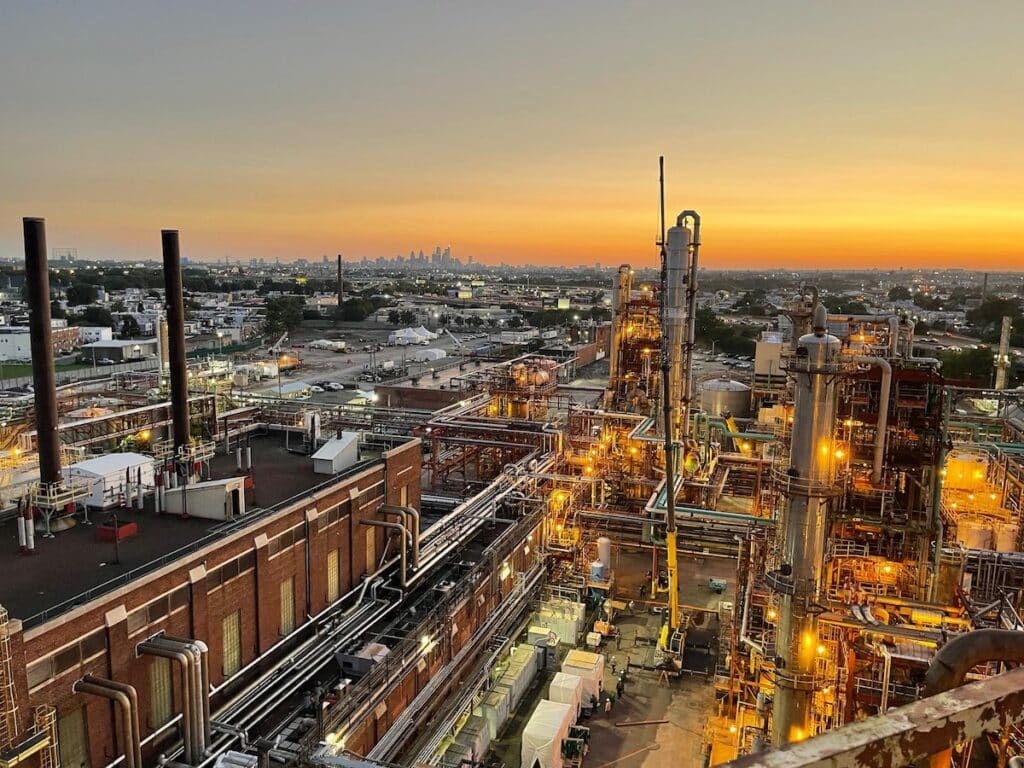
Under the El, Frankford's older industrial and retail buildings combine aging roofs with constrained street access, so staging the dumpster and material hoist is often as tricky as the roofing itself.
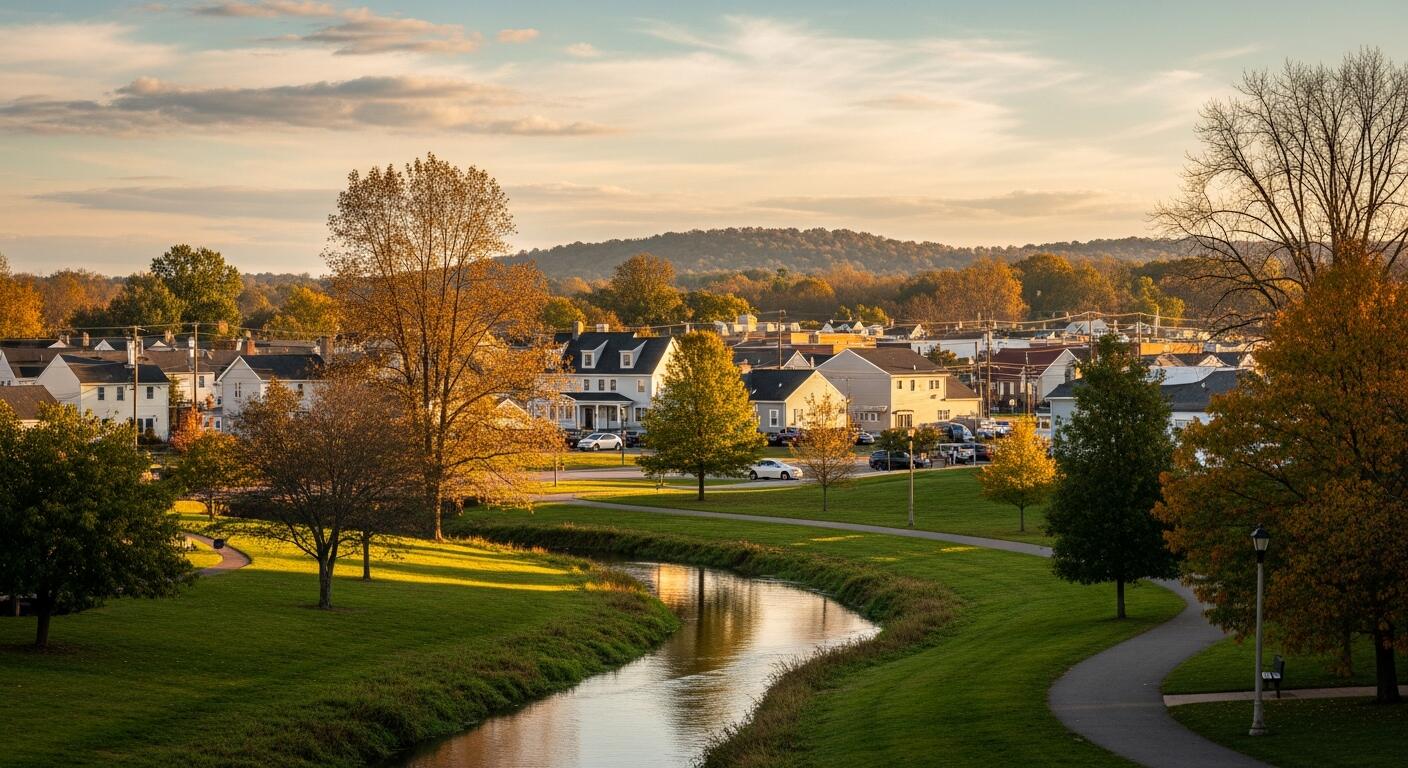
Horsham
Horsham's former-base business parks and flex buildings offer broad, sun-exposed decks where reflective-roof energy decisions pay off, provided the existing slope and drainage can actually carry a recover.
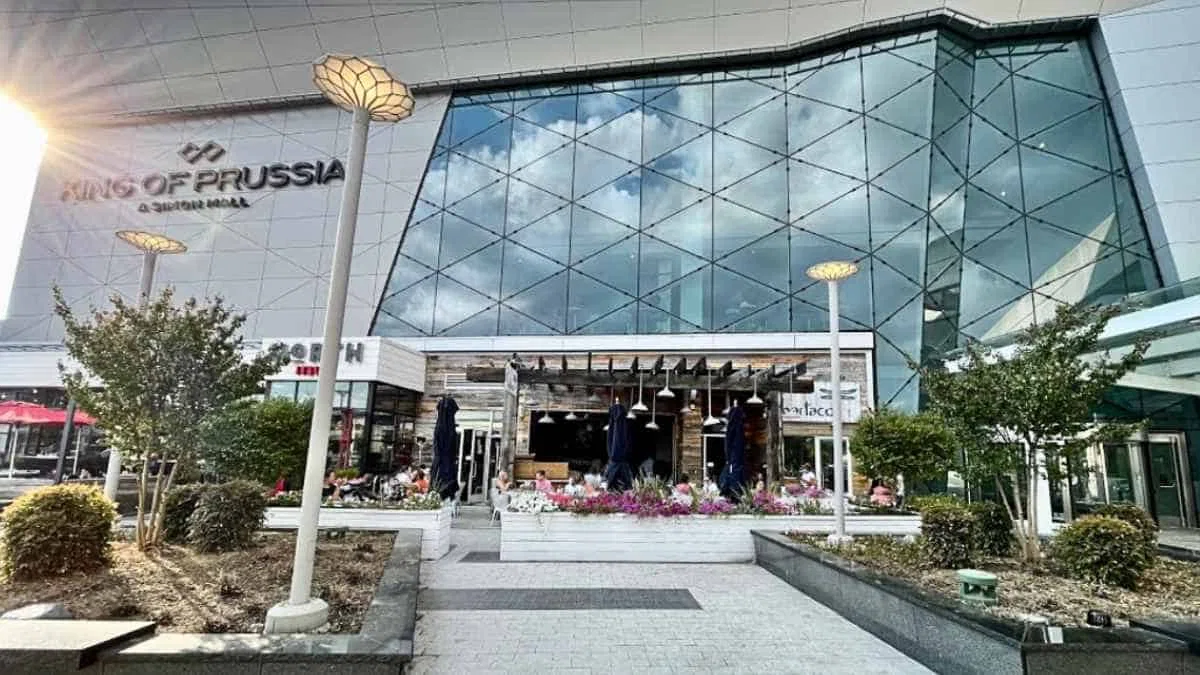
King Of Prussia
King of Prussia's retail boxes and office parks span some of the widest low-slope decks in the region, and that acreage is exactly where minor ponding quietly becomes a structural and warranty problem.
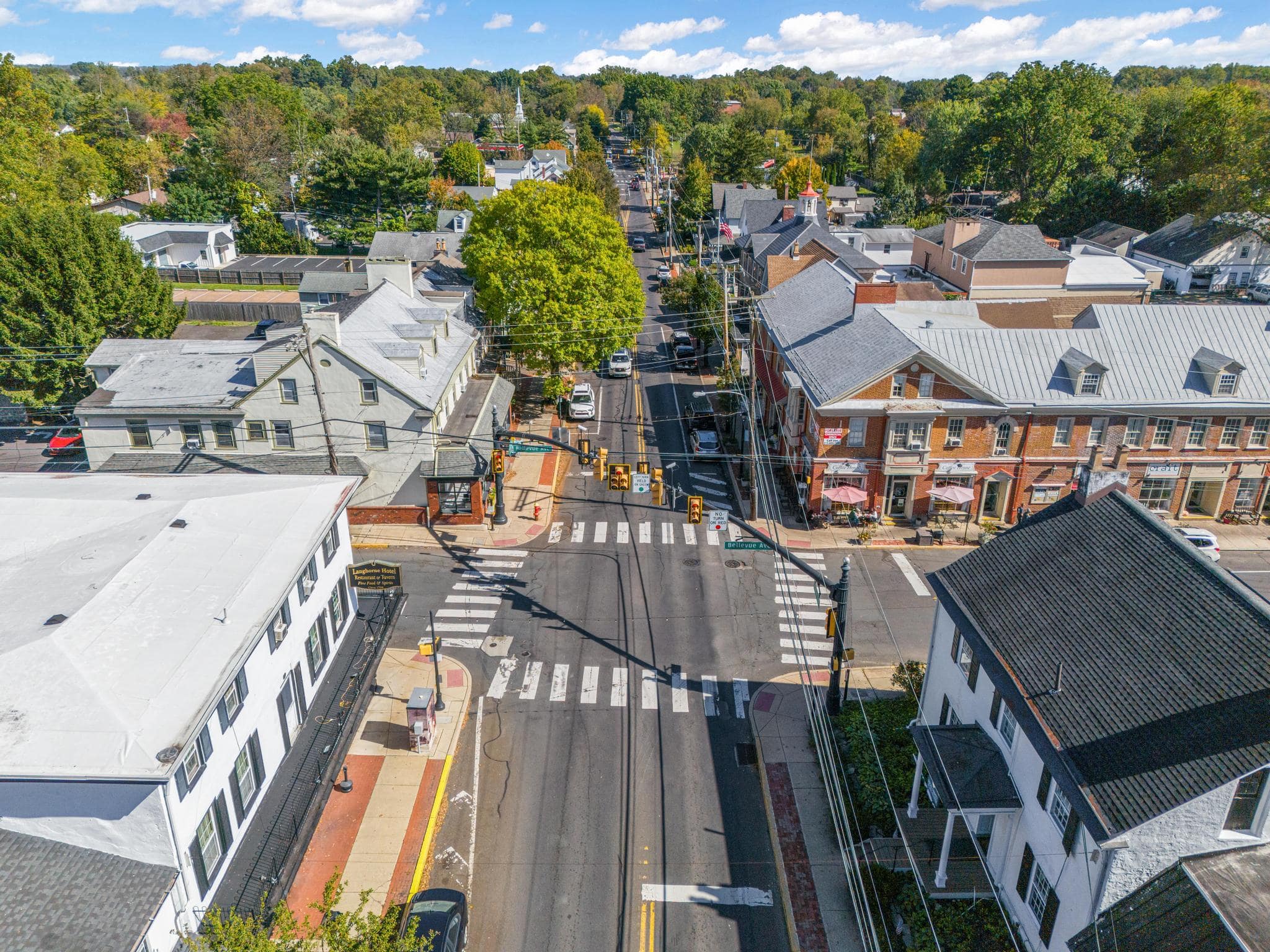
Langhorne
Langhorne pairs a busy commercial corridor with medical campuses, so a single service area can mix open retail roofs with healthcare-grade access limits and the vibration controls that come with them.
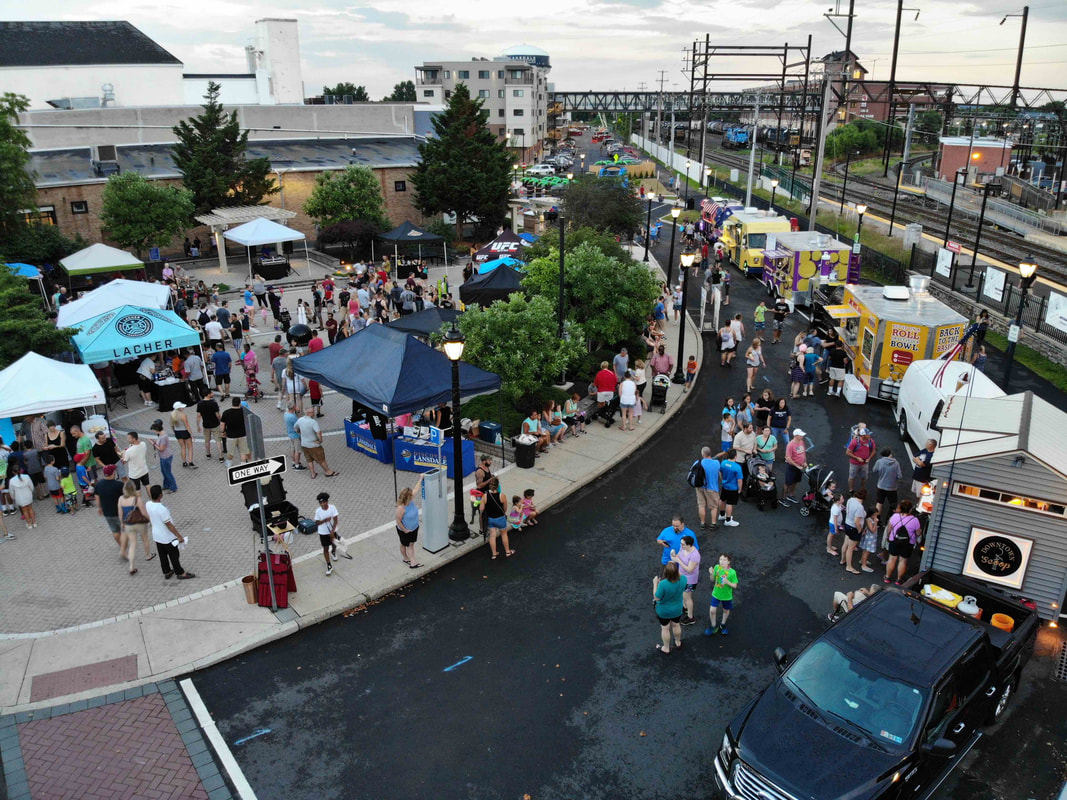
Lansdale
Lansdale anchors the North Penn manufacturing and warehouse belt, where production runs that a roof cannot interrupt force every re-roof to keep continuous dry-in over a working line.
Levittown
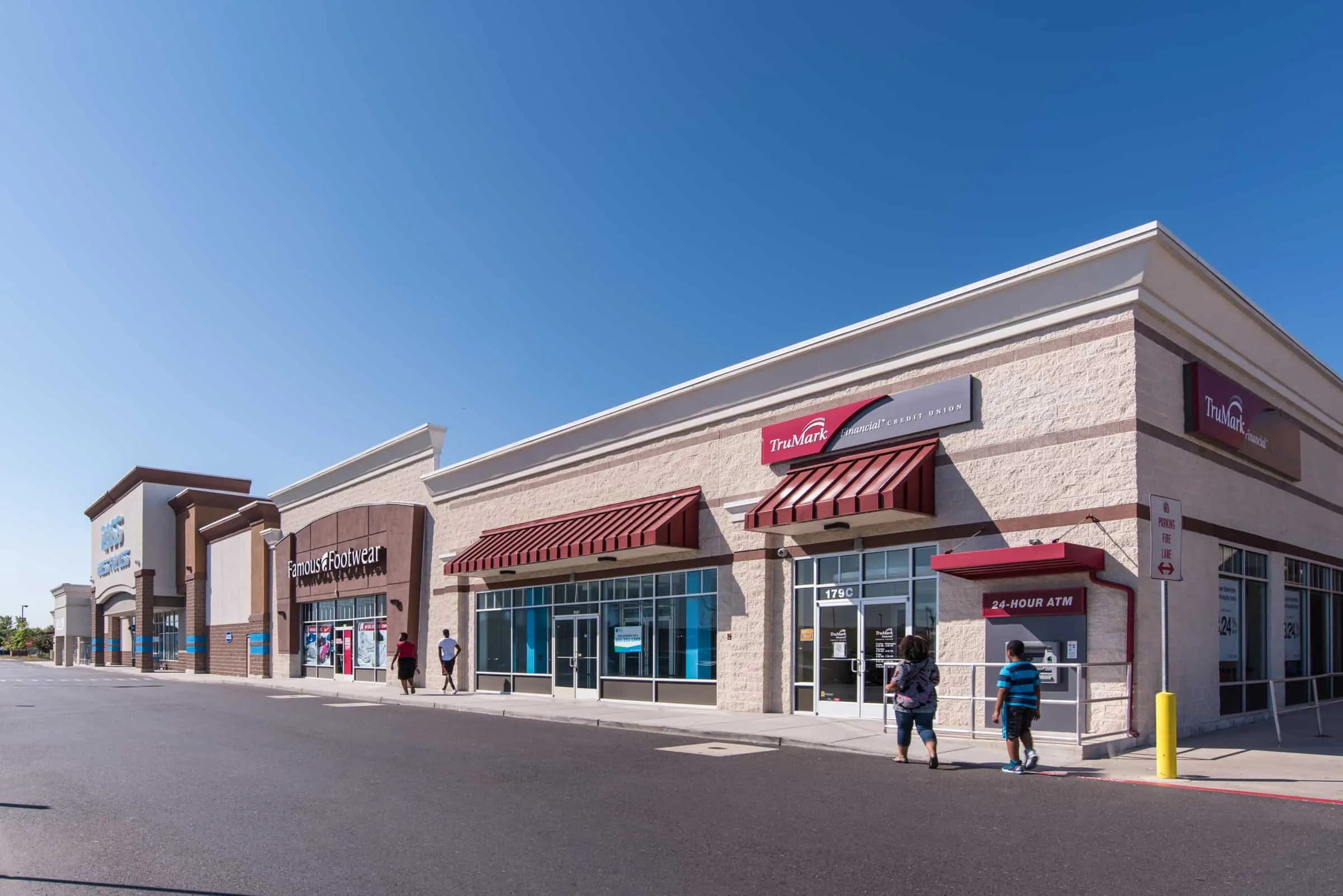
Levittown's shopping centers and light-industrial buildings sit under full afternoon sun on wide flat roofs, the kind of heat exposure that ages dark membranes and rewards a reflective surface.
Malvern
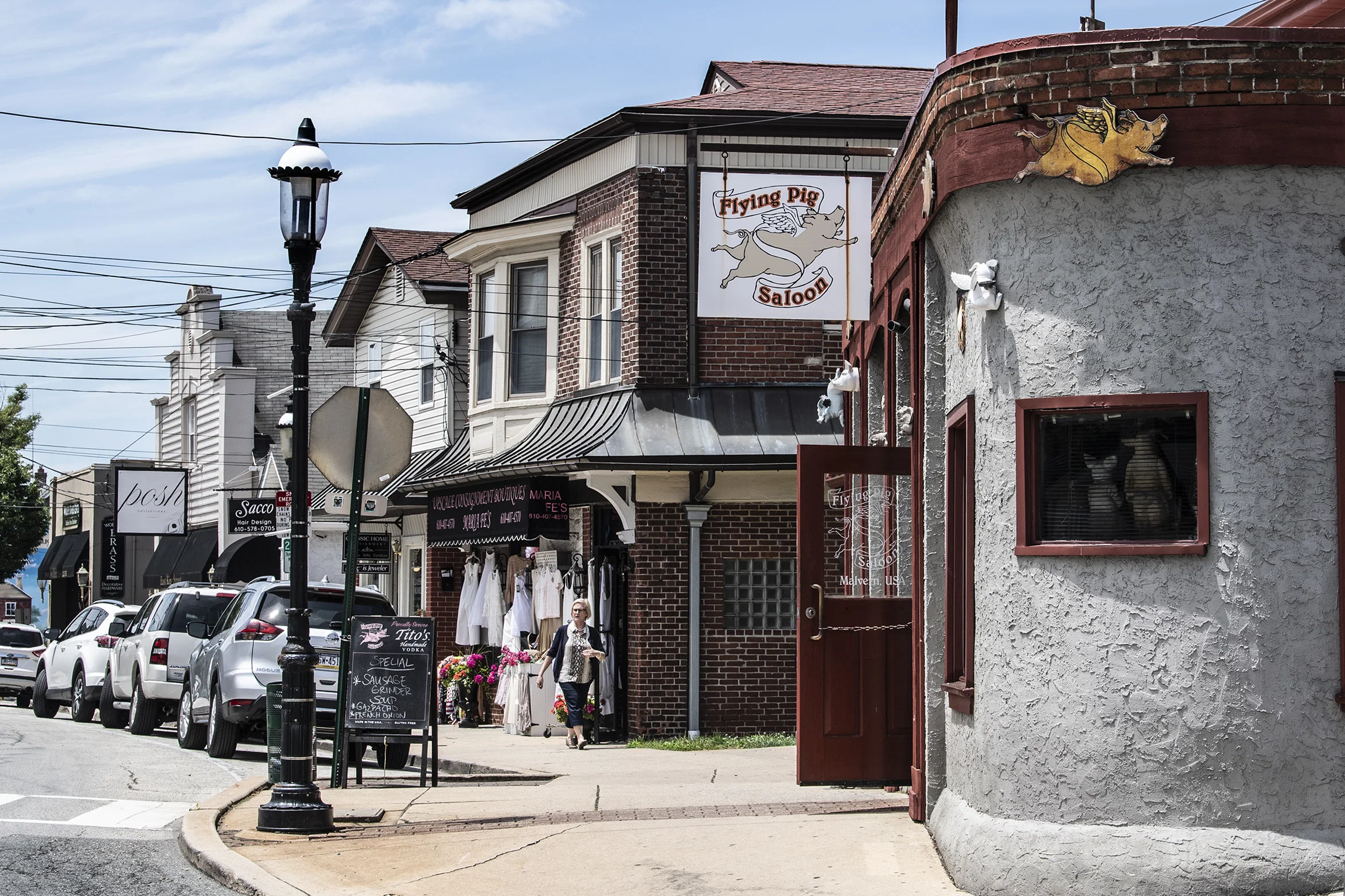
Along the Route 202 corridor, Malvern's corporate campuses carry large, appearance-sensitive office roofs where the finished look and quiet staging count almost as much as the watertight result.
Manayunk
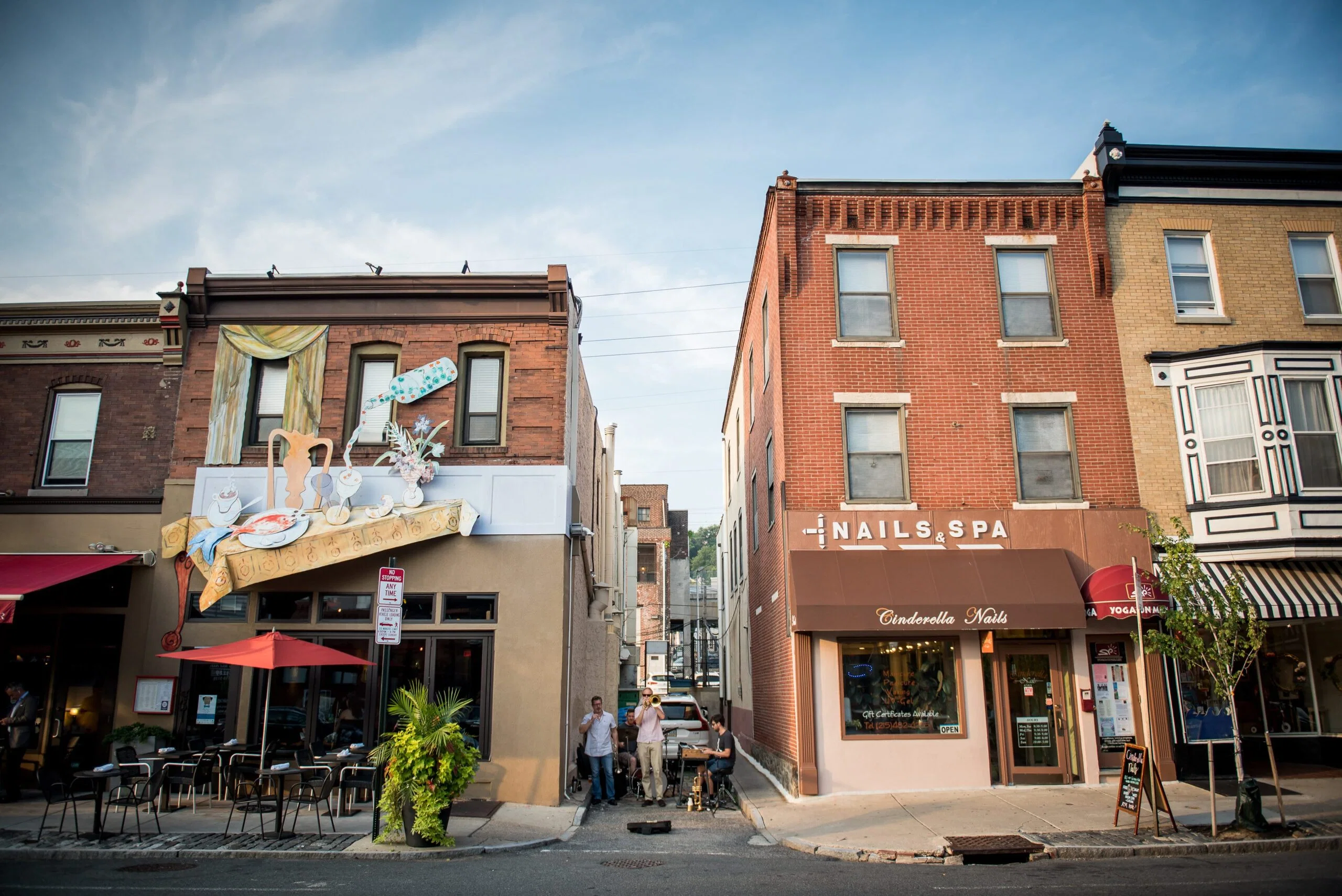
Manayunk's hillside mills and Main Street commercial blocks complicate everything about staging, because steep, narrow approaches make material handling and tear-off debris removal the limiting factor.
Marcus Hook
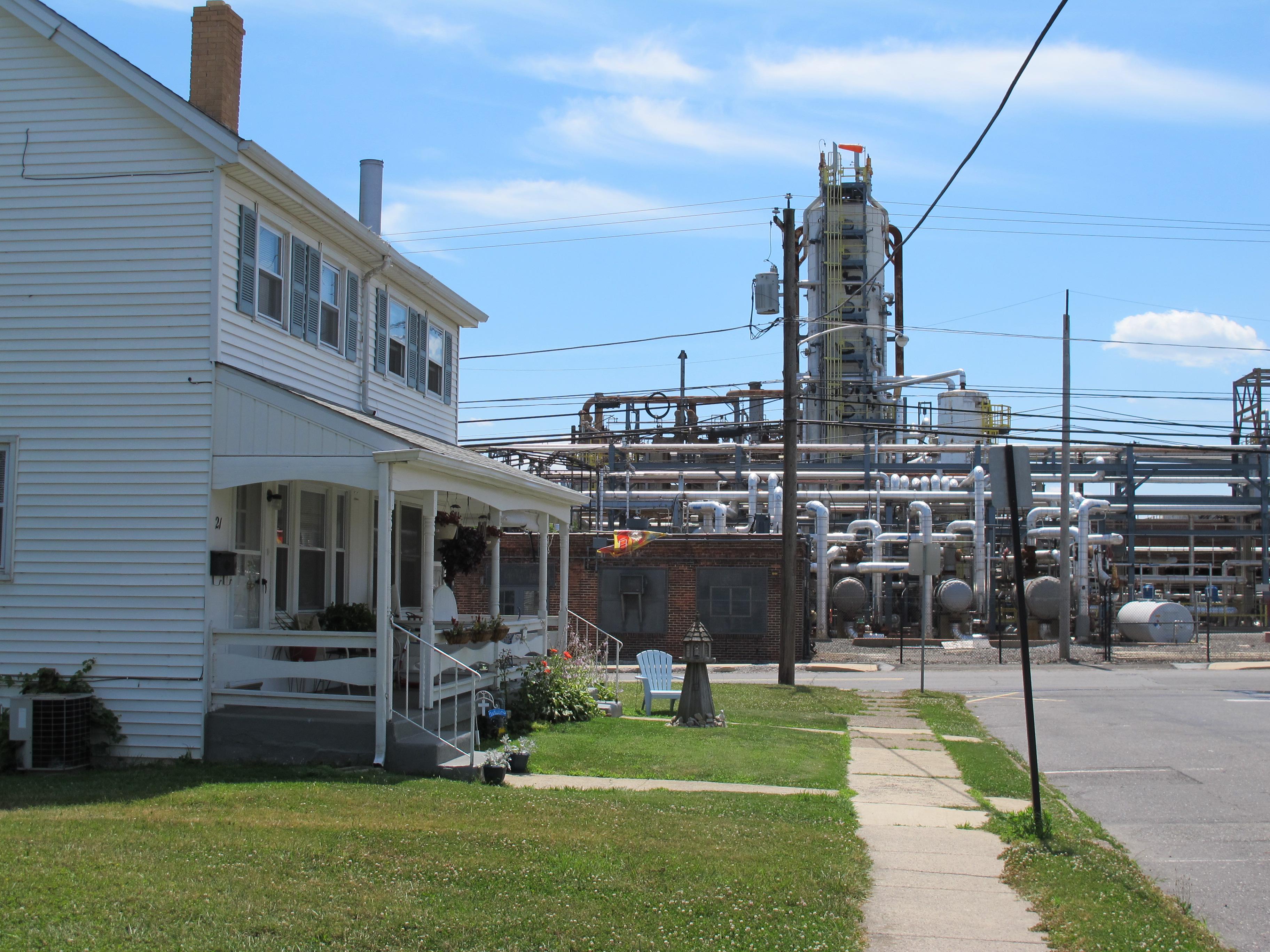
Marcus Hook's refining and riverfront industrial roofs sit in salt air that corrodes fasteners and edge metal, so corrosion-resistant detailing and frequent perimeter checks belong in any plan here.
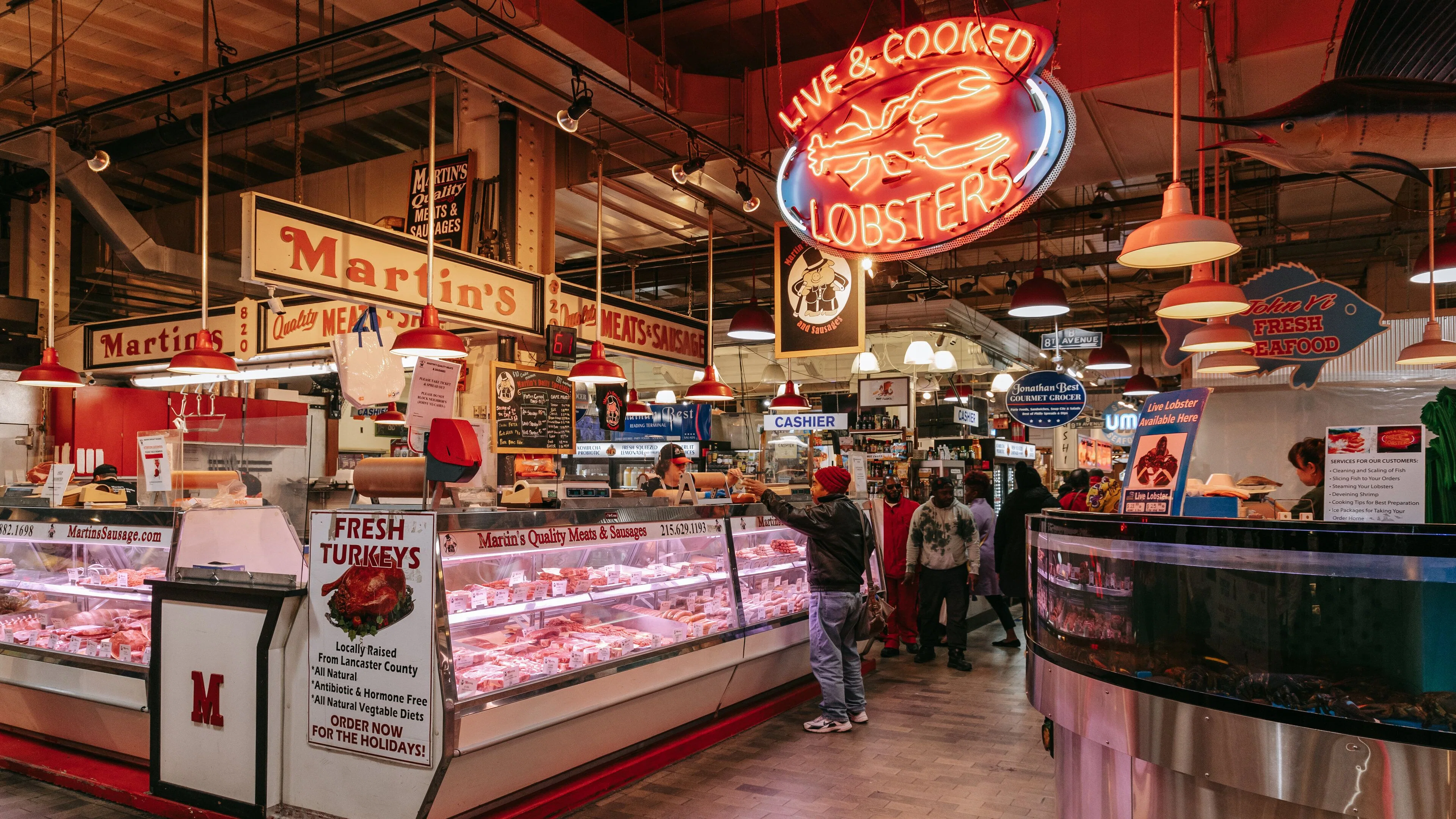
Market Street Corridor
Along the Market Street corridor, office towers force crane picks and tear-off staging into Center City curb space, turning every lift and material drop into a permitted, tightly scheduled event.
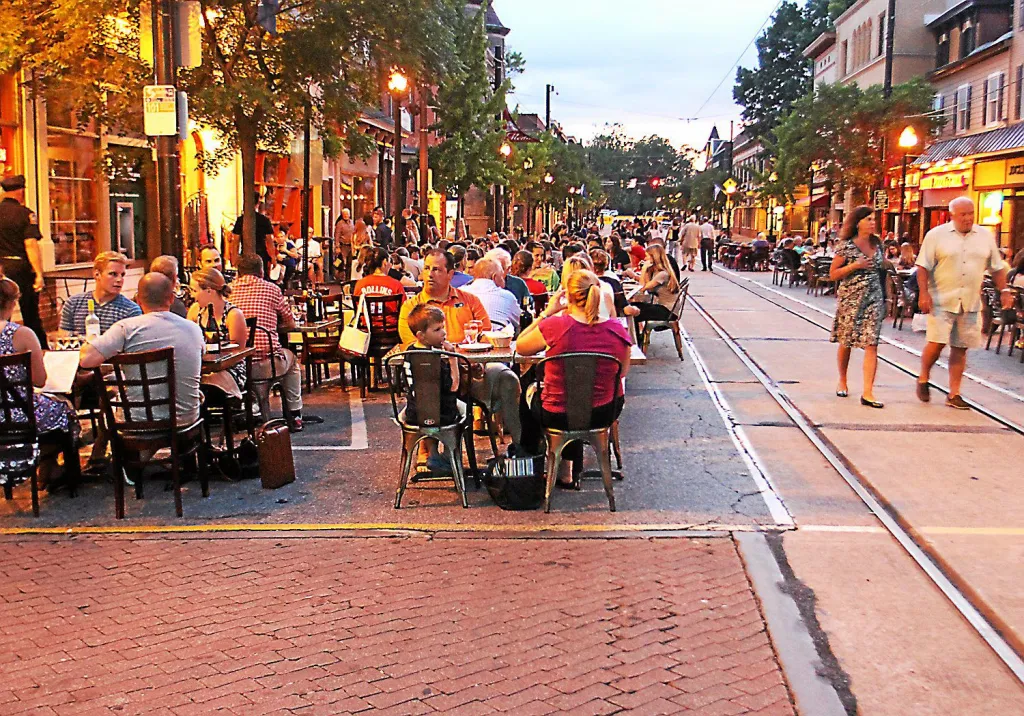
Media
Media's historic borough core and county buildings carry older roofs layered with decades of repairs, where peeling back the history to find the original deck is half the inspection.
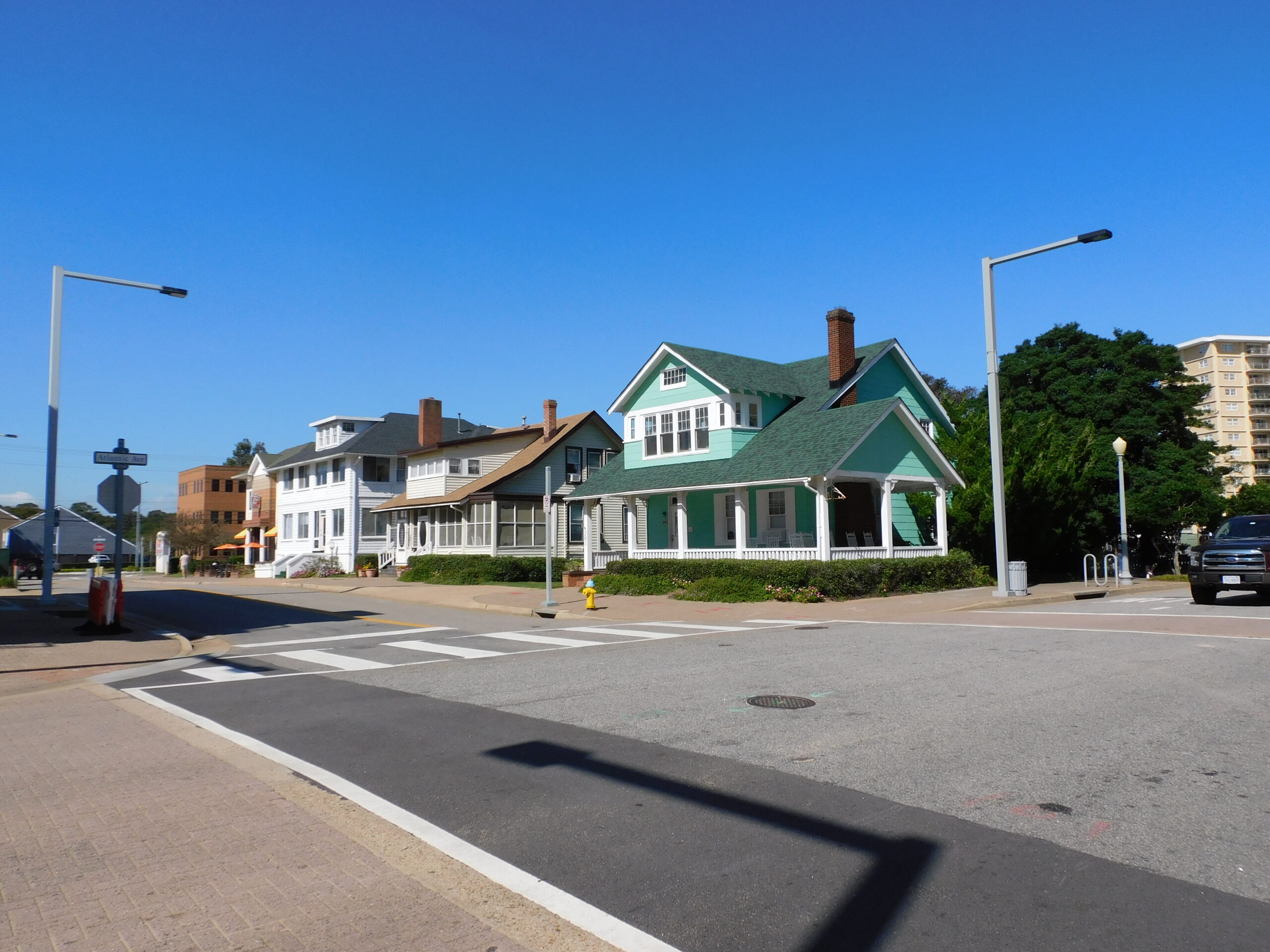
Norristown
As a county seat, Norristown carries institutional and older commercial buildings with long, patched roof histories, and humid summers keep driving trapped moisture under their dark single-ply fields.
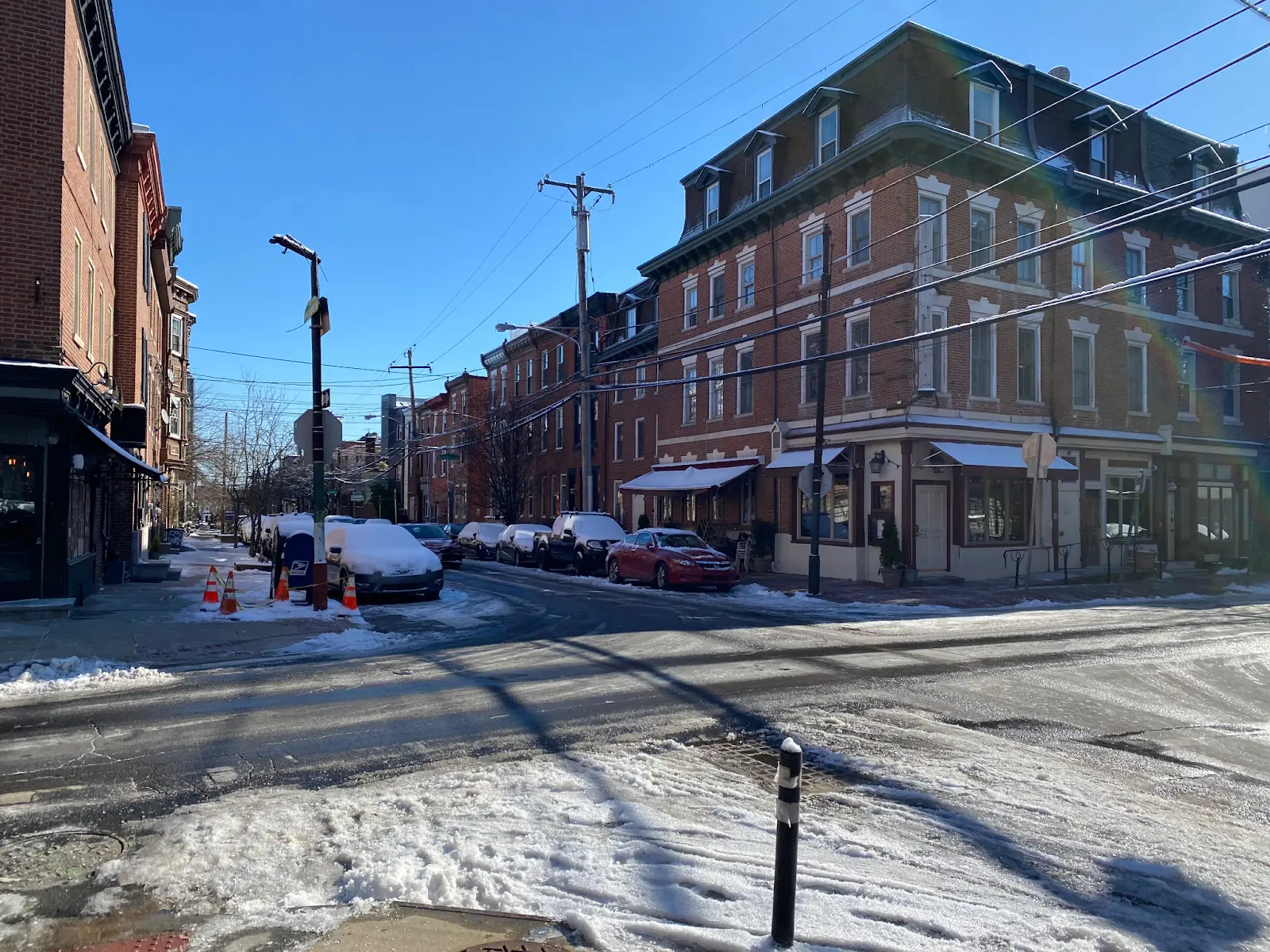
Northern Liberties
Northern Liberties' converted warehouses and rooftop amenity space raise the stakes on every flashing detail, since a deck or terrace overhead leaves no tolerance for a slow perimeter leak.
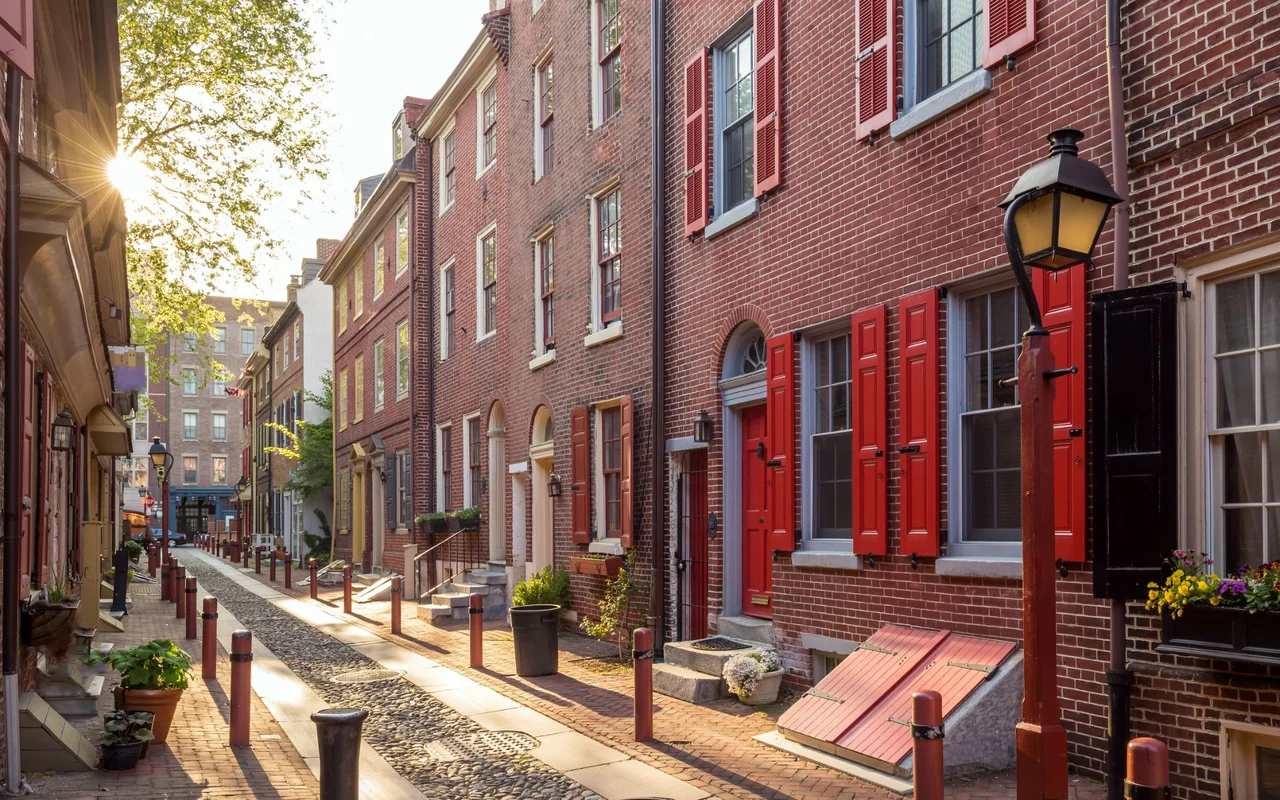
Old City
In Old City, historic masonry and street-level storefronts mean roof work has to protect cornices and facades the city watches closely, which often dictates how and when material can even reach the roof.
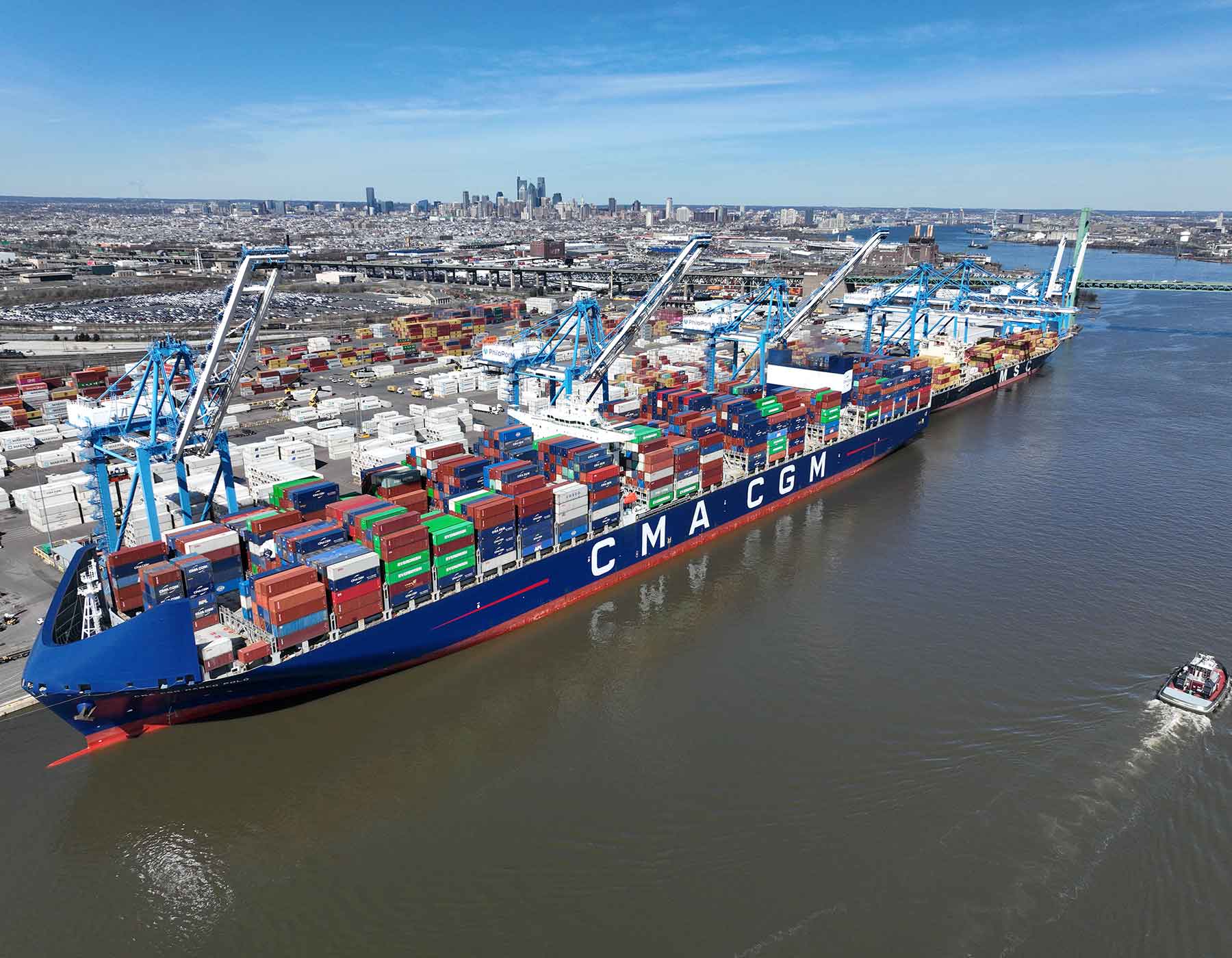
Packer Avenue Marine Terminal
At the Packer Avenue Marine Terminal, port buildings combine river wind, freight schedules, and vast low-slope roof area, so we sequence the work around terminal operations and the weather coming up the Delaware.
Philadelphia Navy Yard
The Navy Yard's lab, manufacturing, and port buildings put security gates and active tenants ahead of any roof plan, so credentialing crews and protecting sensitive interiors come before the first tear-off cut.
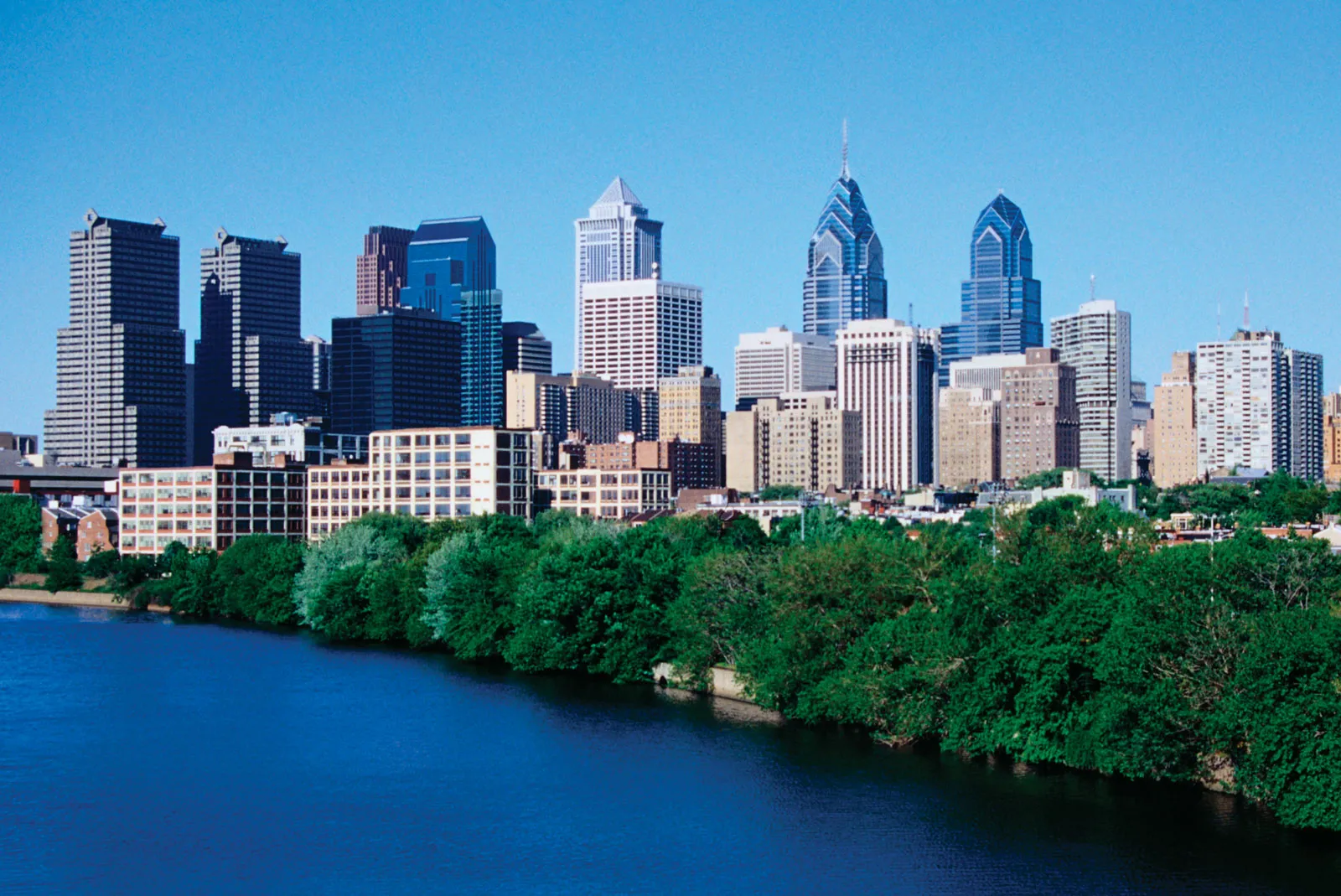
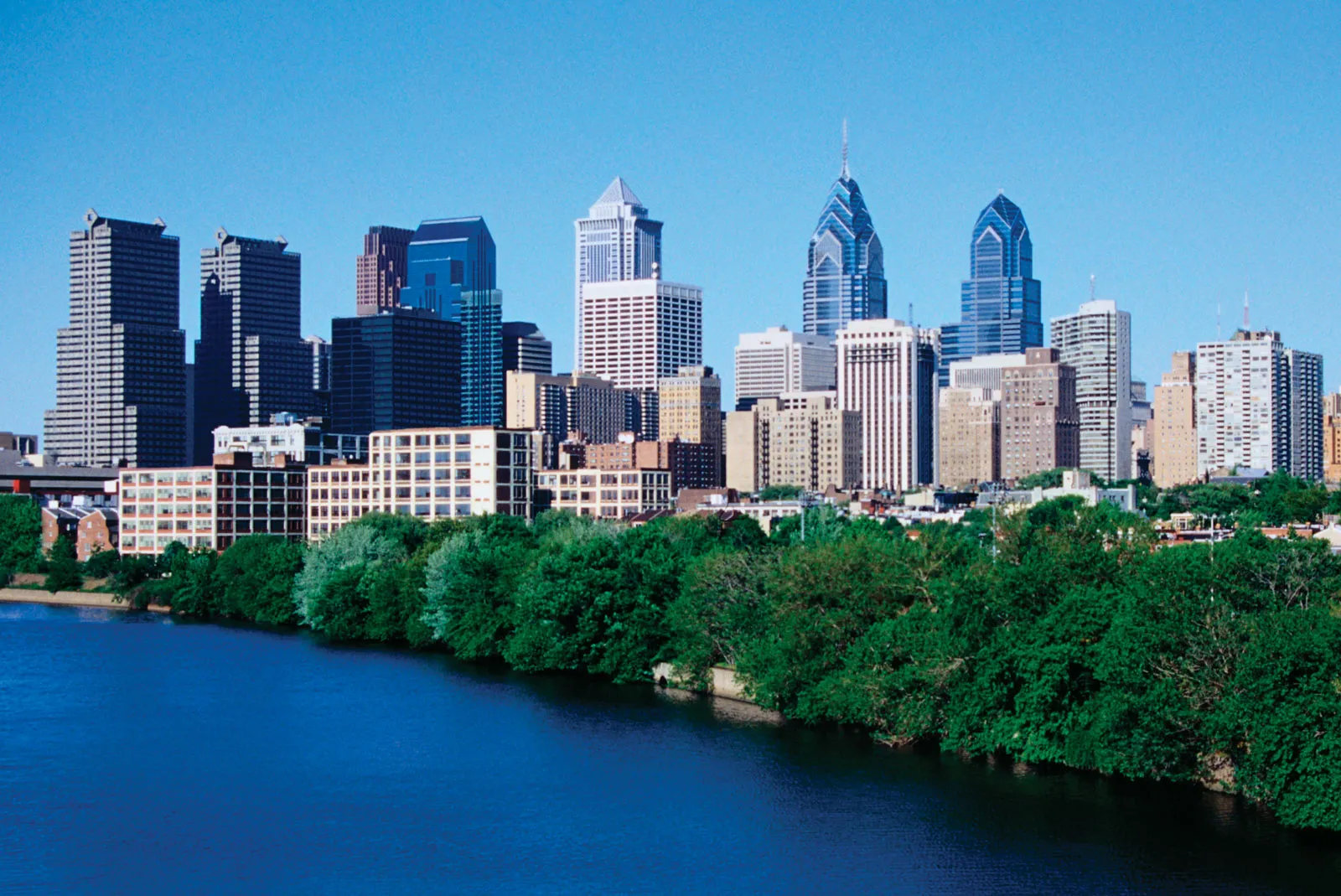
Philadelphia
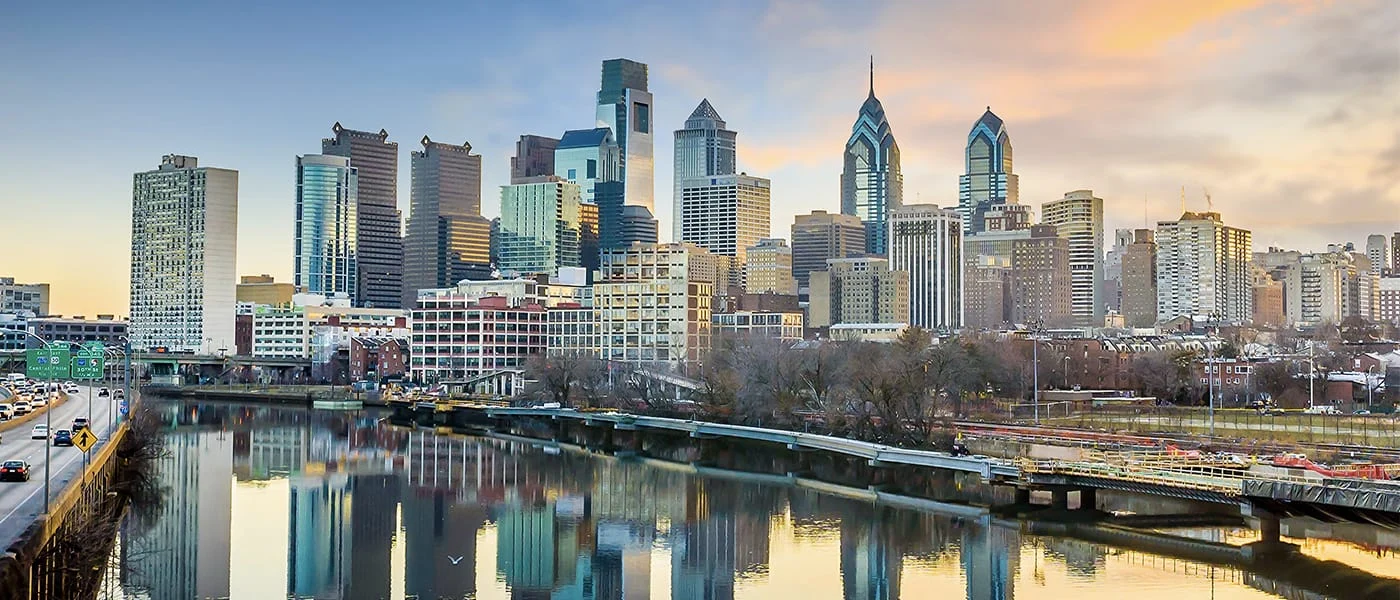
Philadelphia's mix of high-rises, converted mills, and rowhouse-block commercial strips spans nearly every flat-roof condition there is, which is why the inspection drives the scope here more than any standard spec.
Plymouth Meeting
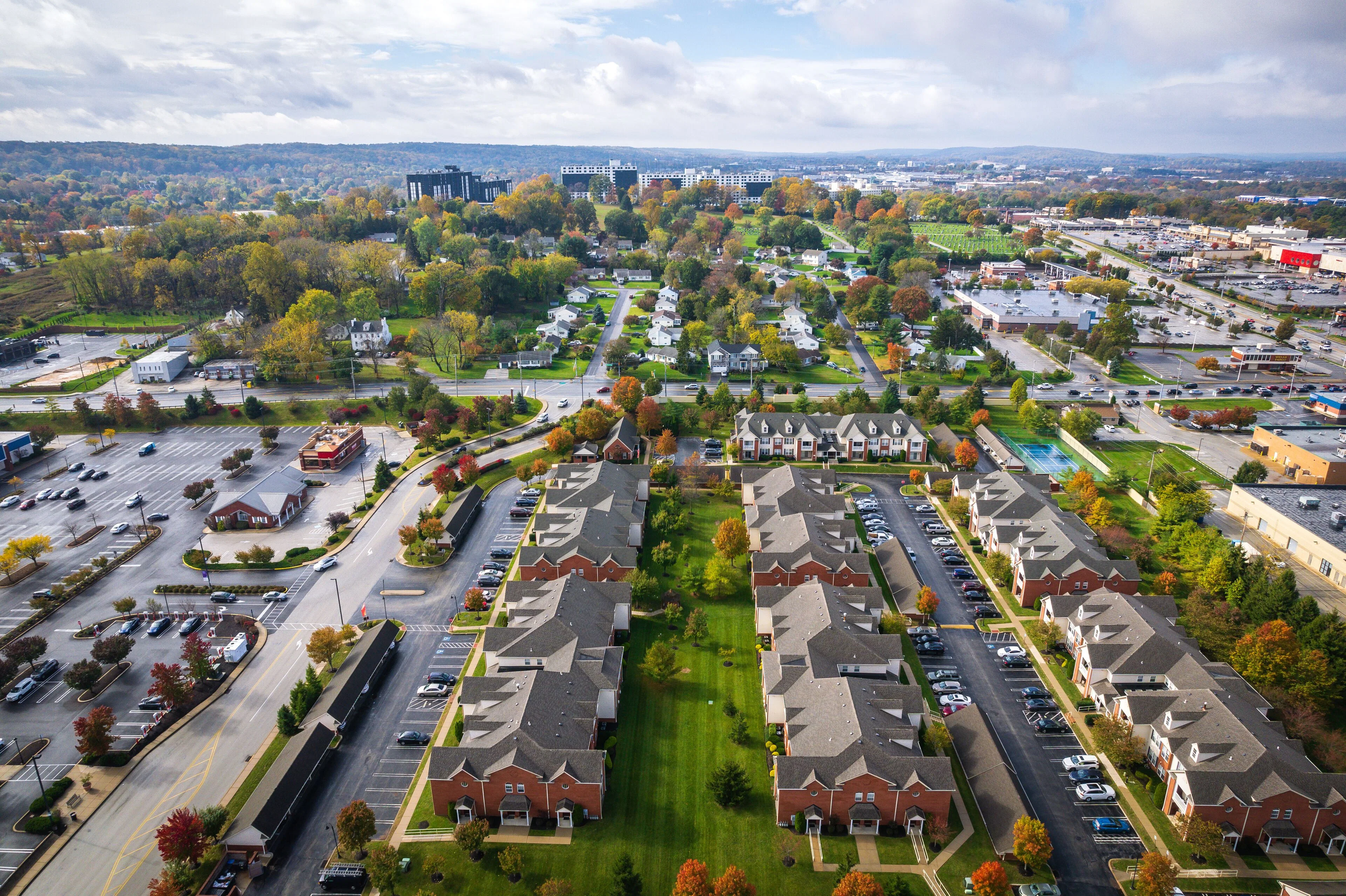
Plymouth Meeting's mall, office parks, and flex buildings collect water fast across their wide low-slope decks, making drainage review and tapered-insulation slope correction the recurring theme of work here.
Port Richmond
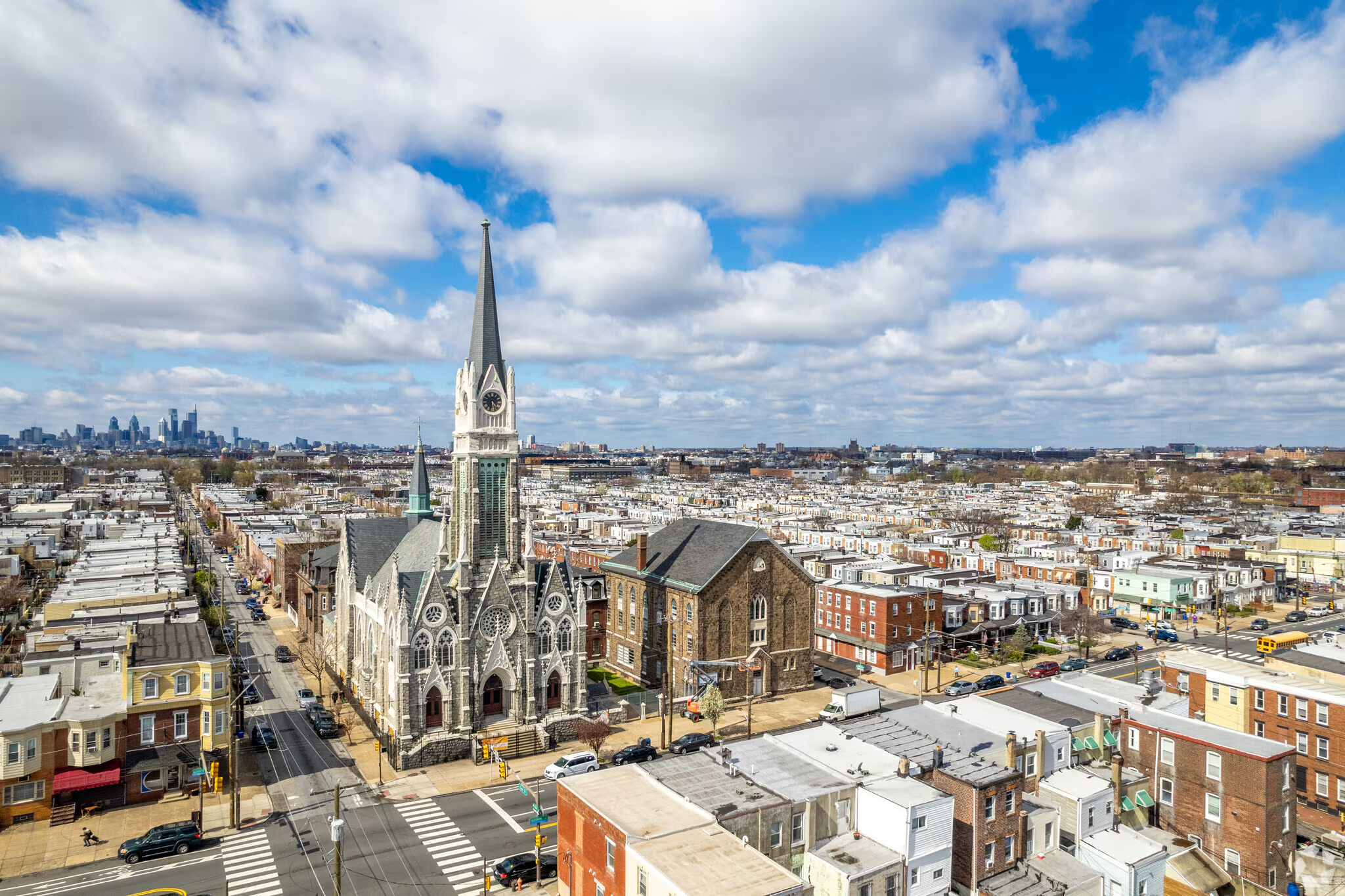
Port Richmond's riverfront industrial and warehouse roofs face wind off the Delaware and heavy process exhaust, a combination that wears seams and corrodes metal well ahead of a typical service interval.
Rittenhouse Square
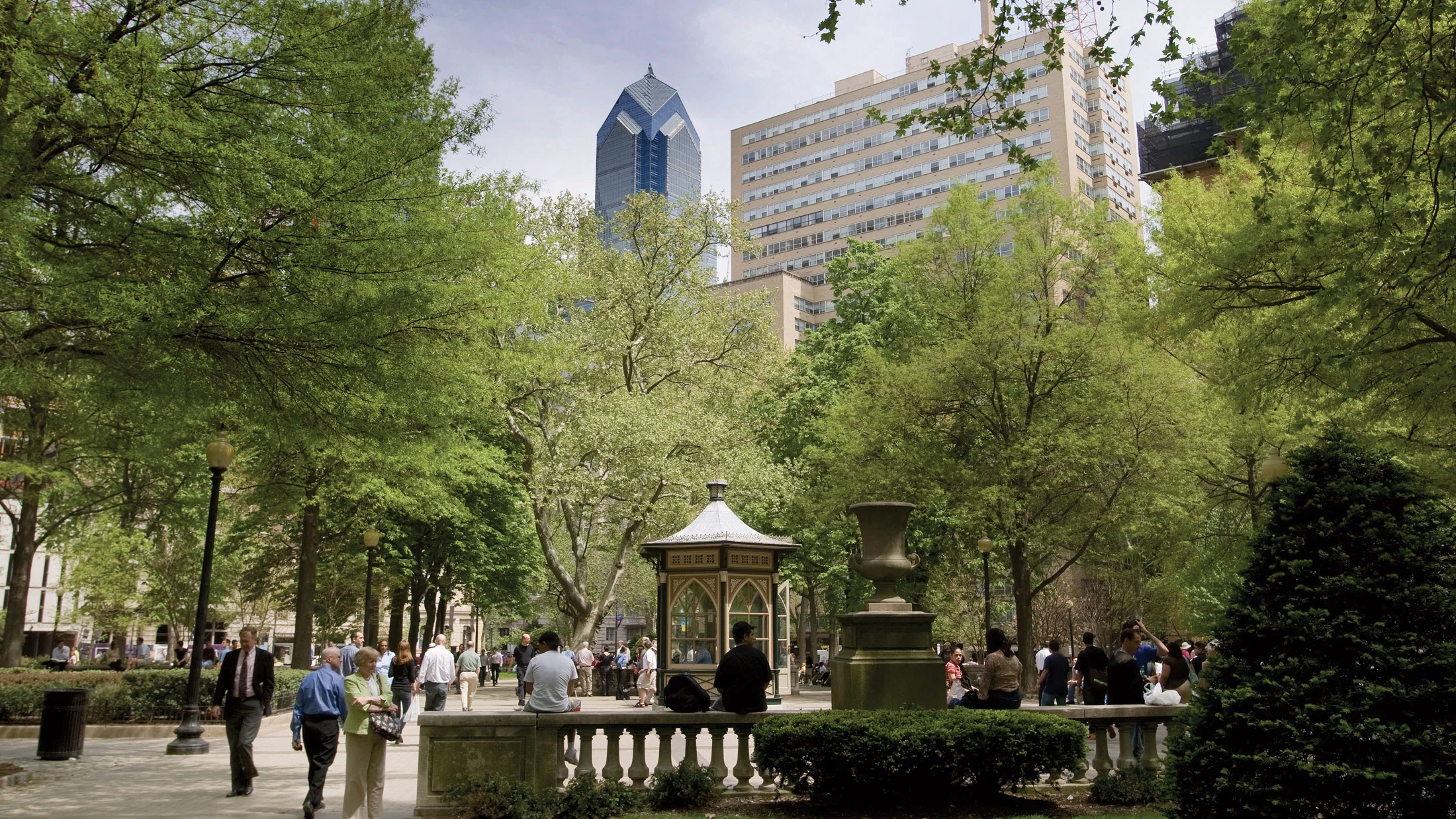
Around Rittenhouse Square, offices and upscale retail sit on tight blocks where freeze-thaw cycling works seams loose each winter, and where curbside staging space is scarce enough to plan around early.
Schuylkill Yards
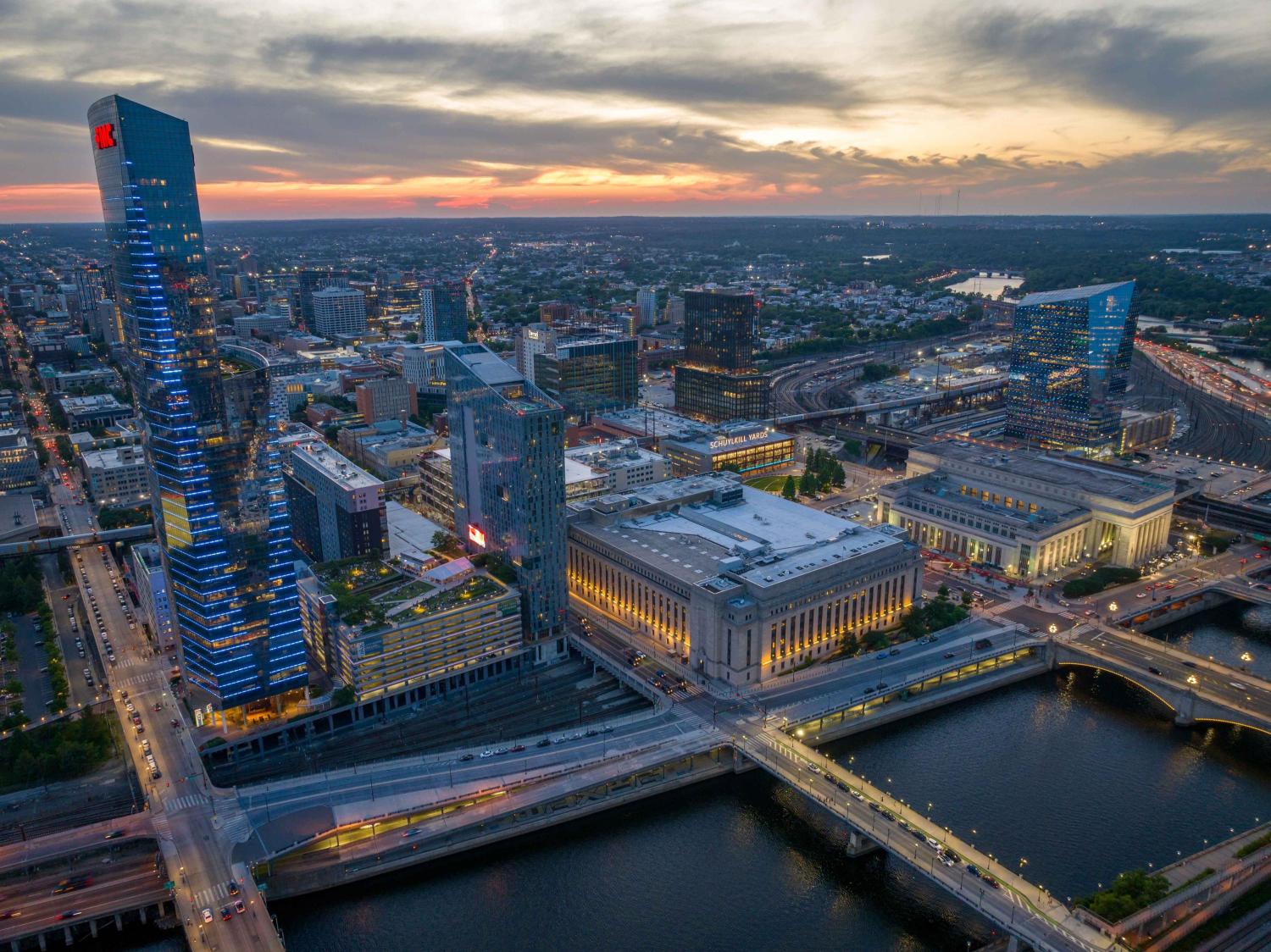
Schuylkill Yards' new towers near 30th Street pack dense rooftop mechanical and rail-adjacent access into every plan, so coordinating with the surrounding construction is part of any roof scope here.
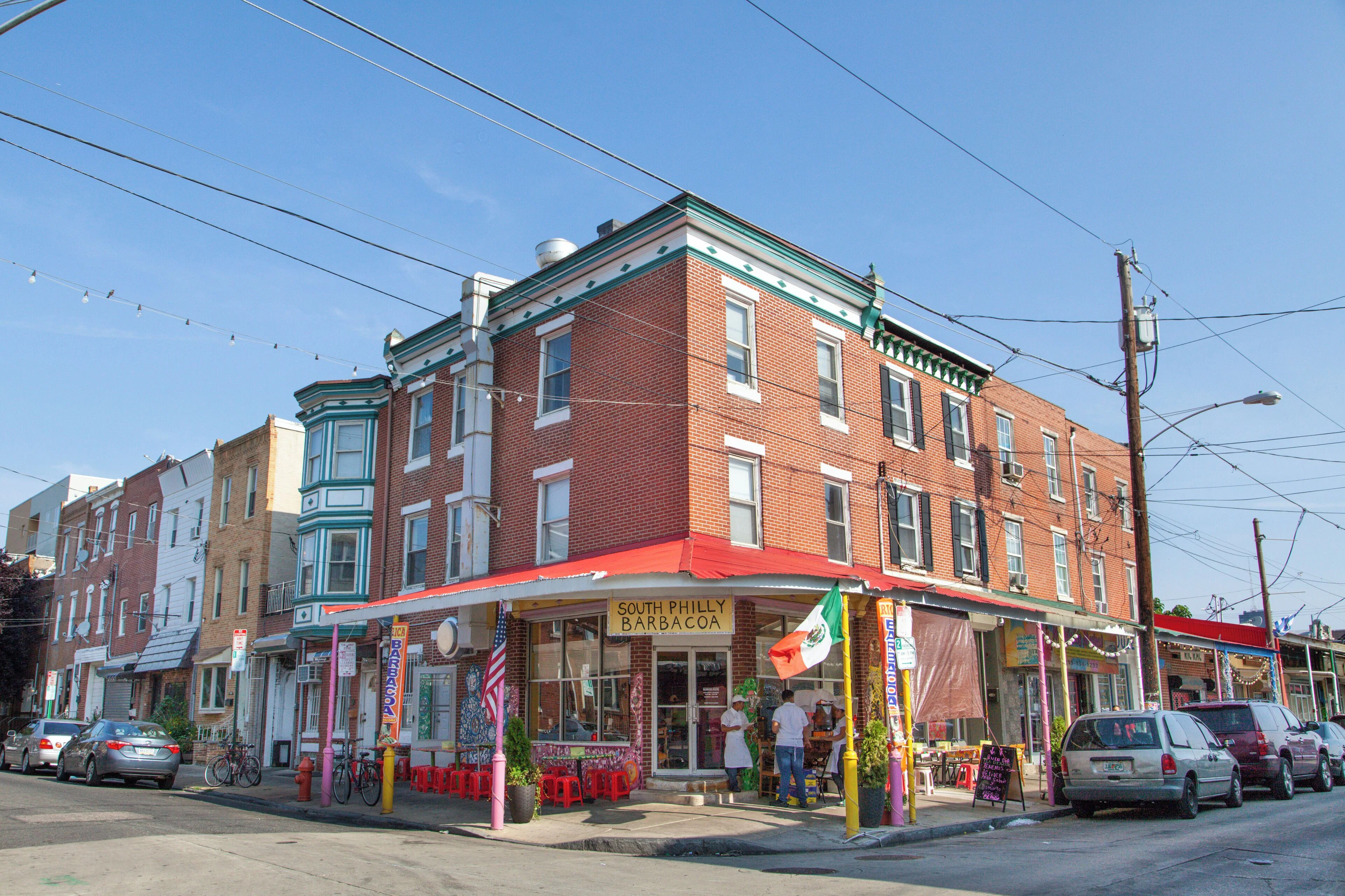
South Philadelphia
South Philadelphia's stadium district and big-box retail make ponding and clogged scuppers the usual first call, where clearing drainage and correcting slope outranks any cosmetic membrane concern.
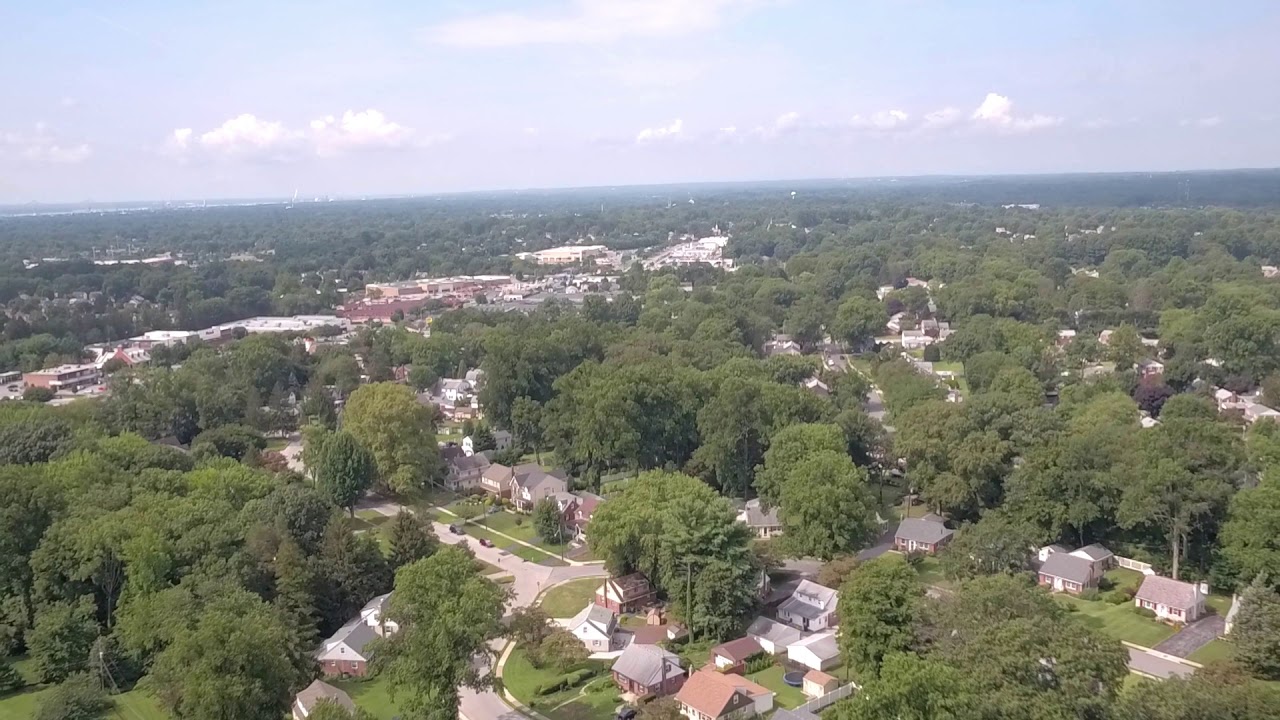
Springfield Delaware County
Springfield's Delaware County retail and office corridor runs wide flat roofs along the Baltimore Pike, the kind of expansive fields where uniform drainage and clean perimeter flashing decide longevity.
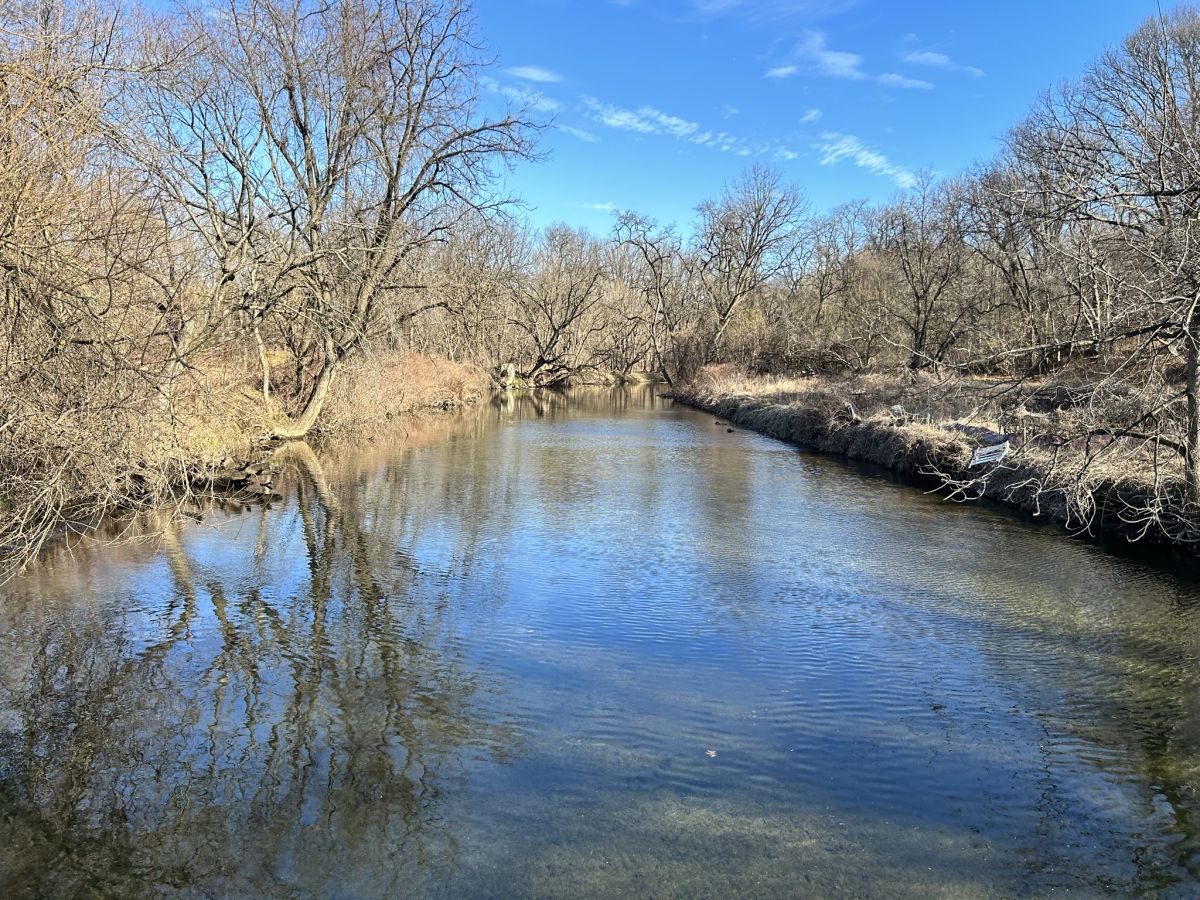
Tacony
Tacony's riverfront industrial buildings carry old built-up roofs and the wind exposure of the lower Delaware, so weathered surfacing and lifted edge metal are typically what the first inspection turns up.
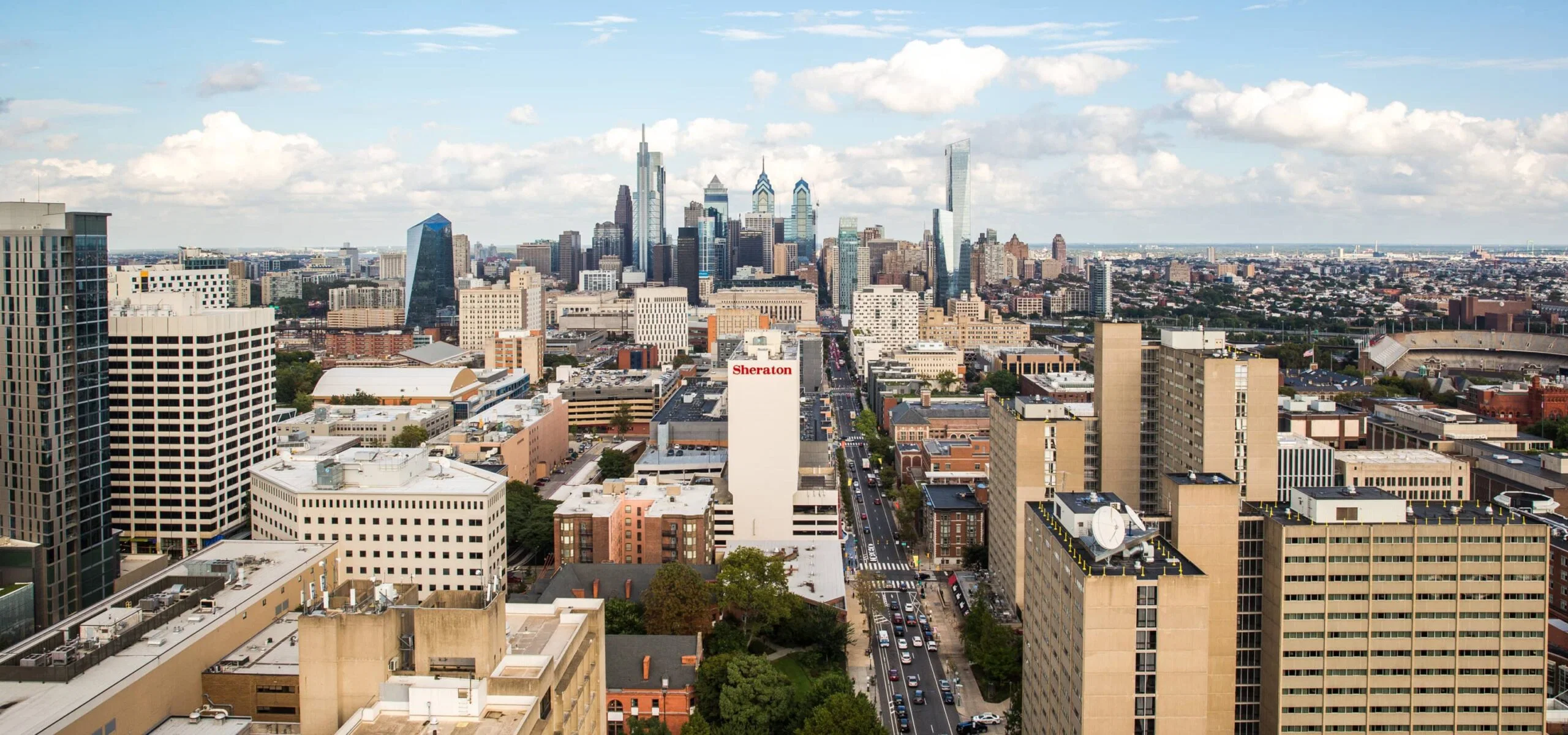
University City
University City's lab, hospital, and office towers crowd rooftops with mechanical screens and strict access windows, where coordinating around research operations matters as much as the roofing work itself.
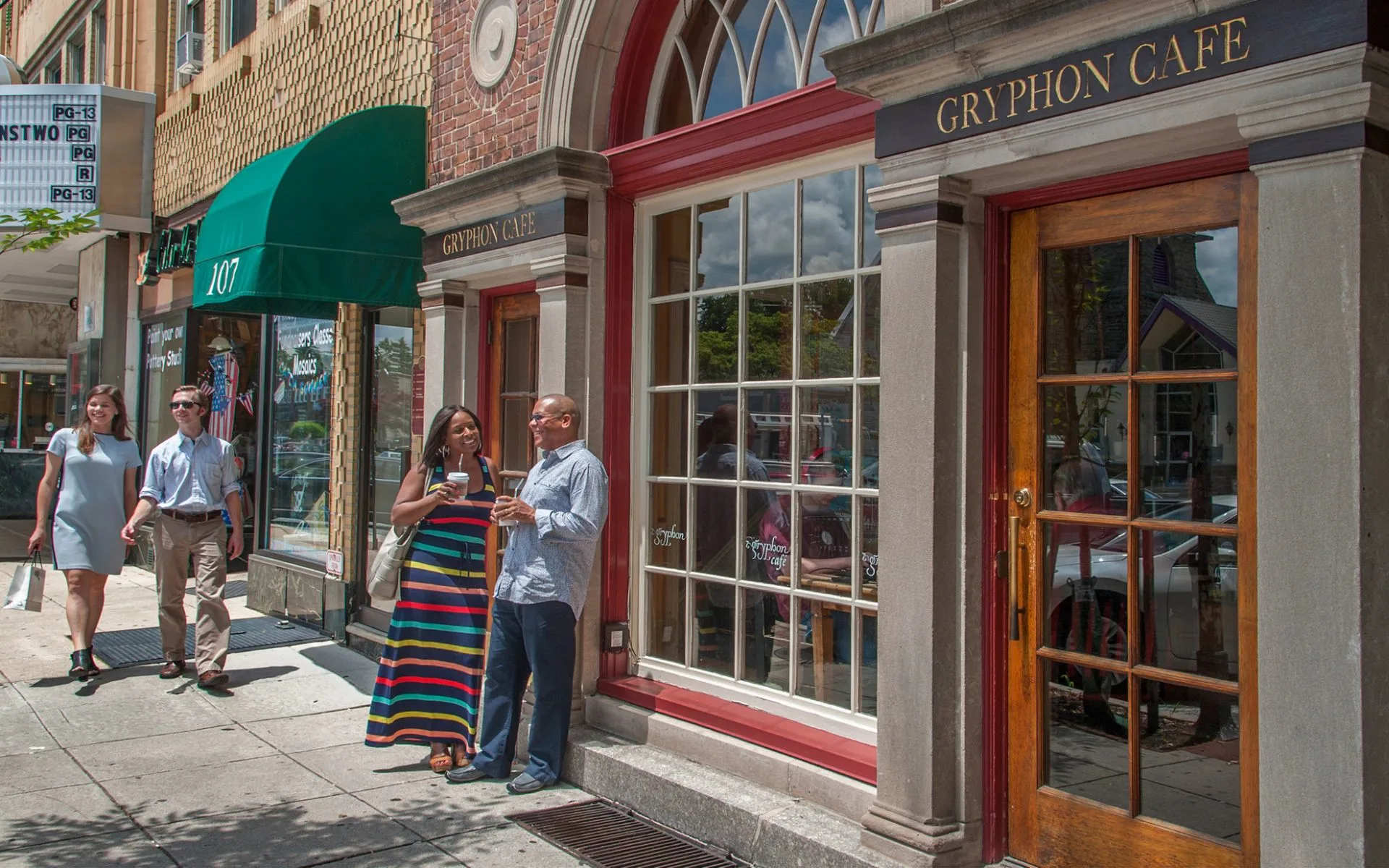
Wayne
Wayne's Main Line offices and institutional buildings occupy quiet, appearance-sensitive sites with limited staging room, so discreet crews and a clean finished roofline are part of the brief here.
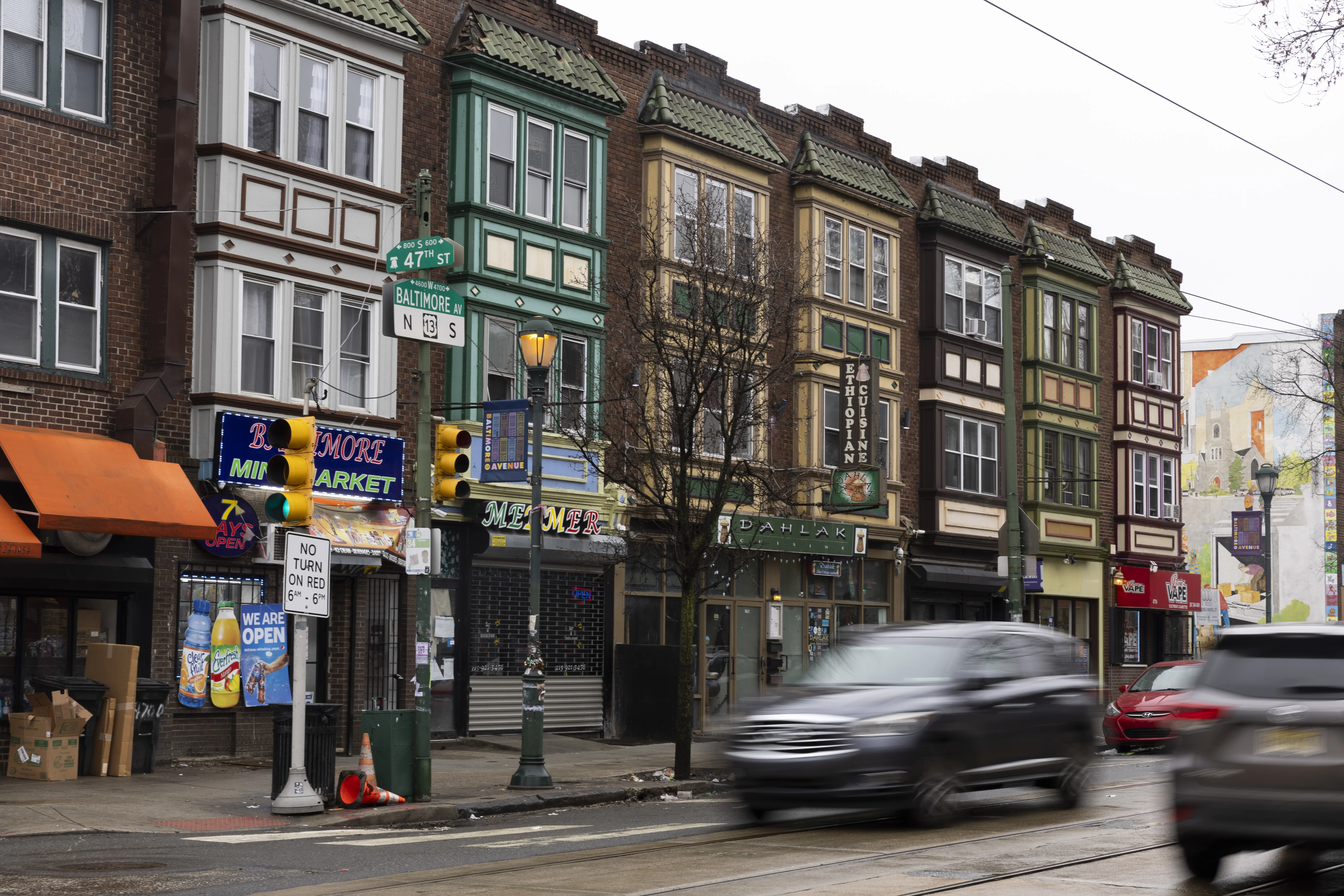
West Chester
West Chester's borough core and county buildings carry older institutional roofs layered with past repairs, where documenting what is actually built up there is the necessary first step before pricing.
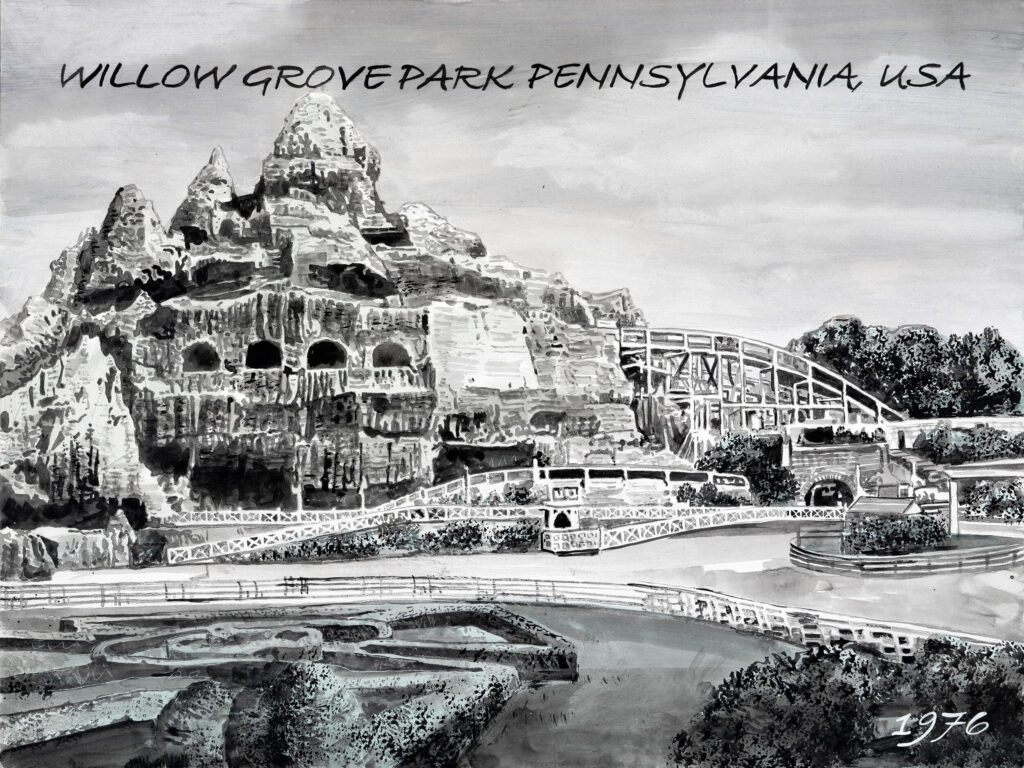
Willow Grove
Willow Grove's mall, flex, and office parks weigh reflective-roof energy choices against year-round tenant comfort, a trade-off that shapes membrane color, insulation value, and recover-versus-replace from the start.